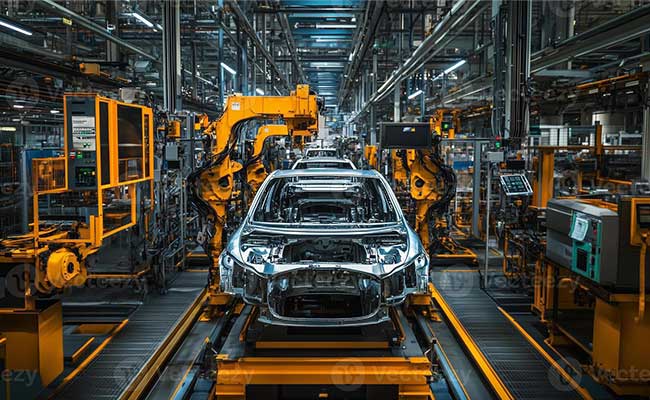
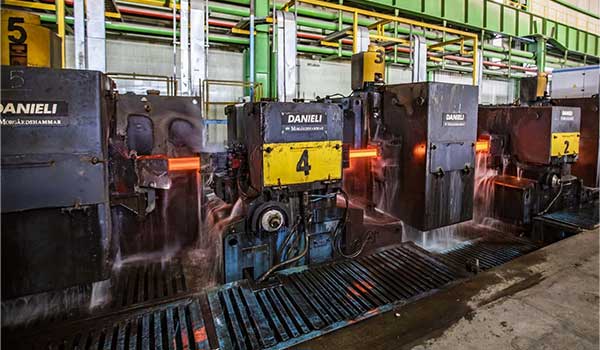
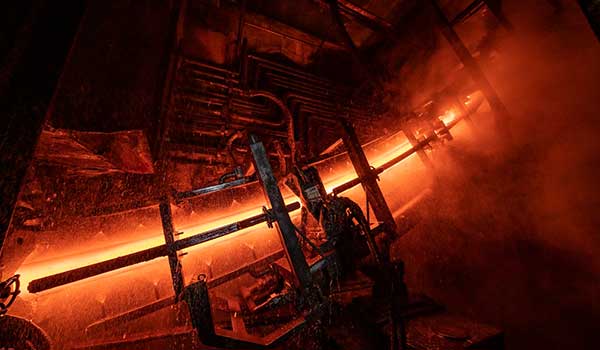
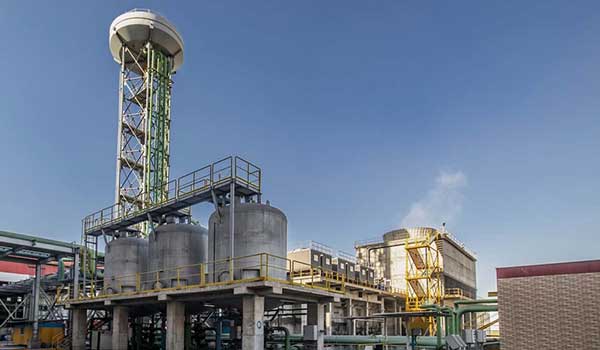
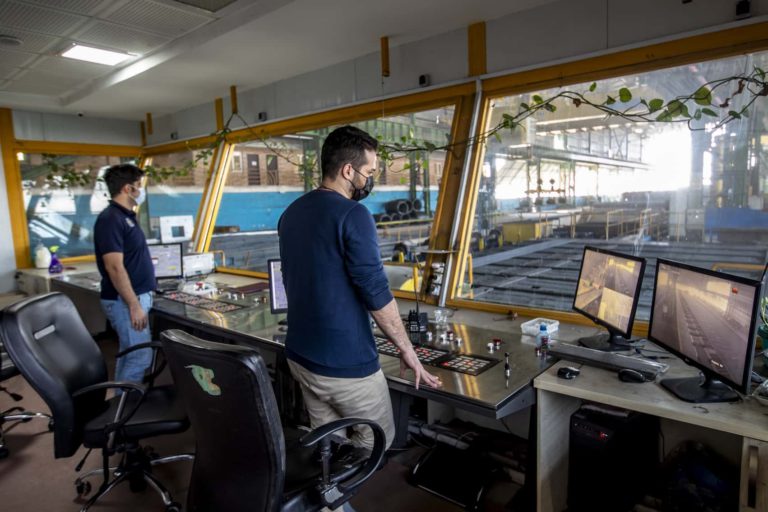
South Rouhina Steel Complex – The automotive industry has relied on steel since its earliest days. Steel, an alloy of iron and carbon, is a fundamental material in vehicle manufacturing due to its excellent mechanical properties and relative cost-effectiveness. Its applications range from vehicle body structures to complex engine components. This article provides a comprehensive overview of the role of steel in the automotive industry, from its historical significance to its impact on vehicle sustainability.
The History of Steel in Automotive Manufacturing
The use of steel in automobiles dates back to the late 19th century, when the automotive industry was still in its early stages. In the early 1900s, automobile manufacturers increasingly turned to steel because of its durability and strength as vehicles began to be produced and used on a larger scale.
For example, steel frames became widely adopted because they offered superior safety and greater cost-effectiveness compared with other materials. Over time, as technologies advanced and evolved, the use of steel in automotive manufacturing expanded as well, providing the industry with more advanced and efficient grades of steel.
Advantages and Applications of Steel in Automobiles
Steel offers several unique properties that make it a preferred material for automotive manufacturing. It is strong, durable, malleable, and resistant to corrosion—all highly desirable characteristics for vehicles exposed to demanding operating conditions.
In addition, steel provides an excellent strength-to-weight ratio, delivering safety and durability without adding unnecessary weight compared with alternative materials such as aluminum or plastics.
Steel can also be engineered to crumple in a controlled manner, much like an accordion. Most modern vehicles feature steel front structures designed to perform this function during a collision. Steel can also become stronger during deformation, allowing it to absorb greater amounts of impact energy.
Most vehicles currently entering the market incorporate new-generation advanced high-strength steel technologies that make vehicles not only safer and stronger, but also more fuel-efficient.
For example, high-strength steel can be manufactured in thinner and lighter sections while maintaining the same level of strength. This significantly contributes to overall vehicle performance and fuel efficiency. Furthermore, steel is more cost-effective than many alternative materials, making it an economically attractive choice for automotive manufacturers.
Types of Steel Used in Automotive Manufacturing
Two major categories of steel are widely used in automotive manufacturing: Advanced High-Strength Steel (AHSS) and stainless steel.
Advanced high-strength steel is used in various automotive components because of its superior strength and lightweight properties. These characteristics make it possible to manufacture lighter vehicles with improved fuel efficiency without compromising safety.
Stainless steel, on the other hand, is known for its excellent corrosion resistance and is primarily used in components exposed to harsh environments, such as exhaust systems. Its durability helps extend the service life of these components and, consequently, contributes to the overall longevity of the vehicle.
Specific Applications of Steel in Vehicles
Steel was widely used for vehicle chassis and body structures through the early 1970s. Toward the end of that decade, metal manufacturers began experimenting with aluminum for use in everyday vehicles.
However, the versatility of steel continues to make it suitable for a wide range of automotive components.
In engines, steel is used for components that must withstand high temperatures and pressures. Suspension components also benefit from the strength and flexibility of steel, providing improved performance and longer service life.
The heat and corrosion resistance of steel are particularly important in exhaust systems, helping ensure efficient and reliable operation.
In addition, many safety-related components and systems rely on the strength and durability of steel to perform effectively under demanding conditions.
The Role of Steel in Sustainable Automotive Manufacturing
The importance of steel extends beyond its practical applications to its contribution to the sustainability of automotive manufacturing.
Steel is highly recyclable, significantly reducing the environmental footprint associated with the vehicle life cycle. This characteristic is becoming increasingly important in an era when sustainability and resource conservation are major priorities.
As technology continues to evolve and lighter, stronger grades of steel are developed, vehicles can become lighter and more fuel-efficient. Reducing vehicle weight directly contributes to lower CO₂ emissions, further highlighting the critical role of steel in sustainable automotive manufacturing.
Conclusion
Steel has been an essential material in the automotive industry from its earliest development and continues to play a vital role today. Its combination of strength, durability, versatility, safety, recyclability, and cost-effectiveness has made it one of the most important materials in vehicle manufacturing.
As the automotive industry moves toward greater efficiency, lower emissions, and more sustainable production, advanced steel technologies will continue to provide innovative solutions for vehicle manufacturers.
In this sense, steel truly remains the unsung hero of the automotive industry—a material working behind the scenes to make vehicles safer, stronger, lighter, more efficient, and more sustainable.