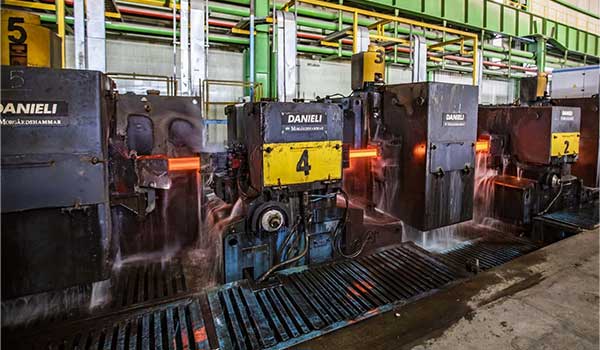
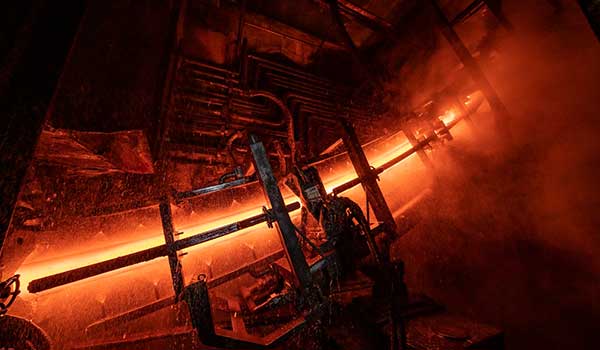
South Rouhina Steel Complex – Steel can be regarded as one of humanity’s most significant achievements in the field of metallurgy. It has played a crucial role in shaping the industrial and modern world. Although iron and steel have been used for thousands of years, the real breakthrough in steel production and applications began in the 18th century, alongside the Industrial Revolution.
This strong and versatile material transformed the structure of societies, from the construction of bridges and railways to the production of ships, skyscrapers, and today’s advanced technologies.
Examining the history of steel’s evolution is not only a story of technological progress in metallurgy; it also reflects major economic, social, and cultural transformations in human societies.
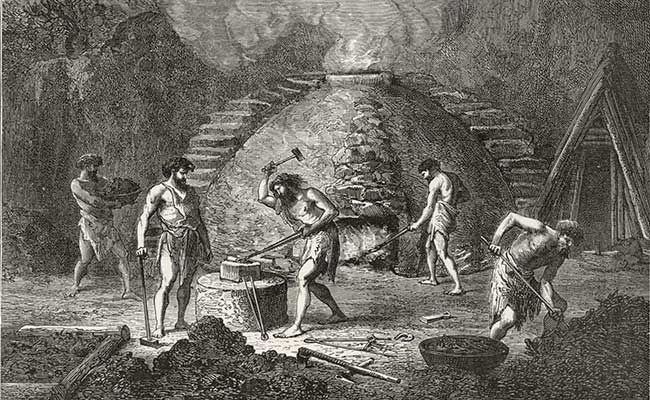
Before the Industrial Revolution, steel production was limited and expensive. Traditional methods such as the bloomery process and, later, the cementation process made it possible to produce steel of varying qualities. However, because these methods were costly and time-consuming, steel was mainly used for cutting tools, weapons, and specialized applications.
Wrought iron and cast iron had much broader applications, but the lack of an ideal balance between strength and flexibility made steel an expensive and relatively luxurious material.
The Industrial Revolution and Steel’s Great Leap Forward
In the mid-19th century, Henry Bessemer introduced his revolutionary method for converting pig iron into steel. In this process, compressed air was blown through molten iron to burn off impurities, producing a lighter and stronger material.
The Bessemer process made steel production faster, less expensive, and suitable for mass production. As a result, steel evolved from a luxury commodity into a widely available construction material used for railway tracks, bridges, ships, and other major infrastructure projects.
In the late 19th century, the open-hearth process, also known as the Siemens-Martin process, enabled better control over steel composition and made it possible to use steel scrap more effectively. This development contributed to the production of a wider range of steel grades and expanded the material’s applications.
Economic and Social Impacts
The evolution and growing use of steel had profound economic and social consequences, including:
- The development of extensive railway networks across Europe and the United States.
- The construction of skyscrapers with steel frameworks in rapidly industrializing cities.
- The development of agricultural machinery and increased food production.
- The strengthening of naval forces and military industries.
The 20th Century: The Age of Diversification and Specialization
With the beginning of the 20th century, numerous innovations emerged in steel metallurgy. In the early 20th century, Harry Brearley discovered that adding chromium to steel significantly improved its resistance to corrosion. Stainless steel quickly gained an important position in the medical, kitchenware, transportation, and chemical industries.
The addition of elements such as nickel, manganese, vanadium, and molybdenum made it possible to produce steels with specialized properties, including high-temperature resistance, greater hardness, and excellent ductility. These materials became known as alloy steels and contributed to major advances in the aerospace, automotive, and energy industries.
The introduction and development of advanced steelmaking processes, including the Basic Oxygen Furnace (BOF) and later the Electric Arc Furnace (EAF), also enabled steel to be produced with greater efficiency and, in many applications, lower environmental impact.
During the same period, World War I and World War II further highlighted the strategic importance of steel. Tanks, warships, aircraft, and heavy weapons all depended heavily on steel.
Massive military demand accelerated the development of the steel industries in the United States, Germany, Britain, and Japan. After the wars, this industrial capacity was redirected toward peaceful purposes, including the reconstruction of Europe and the development of global infrastructure.
The Second Half of the 20th Century: Steel and Global Development
The Eiffel Tower was an early example of a large-scale steel structure. However, the second half of the 20th century witnessed the emergence of steel skyscrapers, including New York’s World Trade Center towers.
Lighter and stronger steels made it possible for architects and engineers to pursue increasingly ambitious designs in modern architecture.
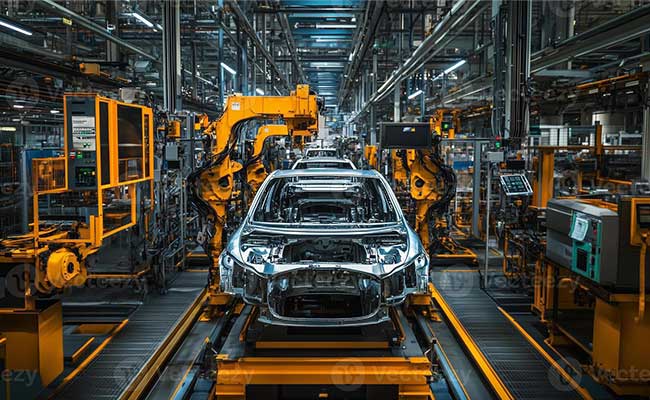
During the 1950s and 1960s, affordable and durable steel played an important role in the mass production of automobiles. Japan’s high-speed Shinkansen railway system and, later, European high-speed trains also relied heavily on advanced steel technologies.
In the energy and industrial sectors, the construction of offshore oil drilling platforms and energy transmission infrastructure expanded significantly. Nuclear and thermal power plants also required specialized steels capable of operating under demanding conditions.
Steel in the Modern World: The 21st Century
Today, steel remains one of the most widely used industrial materials in the world. Advances in technology have made the properties and capabilities of steel more diverse and remarkable than ever before.
For example, Ultra-High-Strength Steels (UHSS) and Advanced High-Strength Steels (AHSS) are used in the automotive industry to reduce vehicle weight while improving safety. These steels can withstand high levels of stress without failure.
Nanotechnology research has also opened new opportunities for improving steel properties through the modification of its microscopic structure. Nanostructured steels are being explored for applications in aerospace, medicine, and emerging energy technologies.
Steel and Environmental Sustainability
More than 90% of steel can be recycled, and a significant share of global steel production is now based on recycled steel scrap.
In the modern steel industry, Electric Arc Furnaces can be powered by low-carbon or renewable electricity, helping reduce emissions depending on the energy source used. In addition, the use of lightweight and high-strength steels in various modes of transportation—including cars, ships, and aircraft—can contribute to lower fuel consumption and reduced carbon emissions.
Emerging Applications of Steel
As one of the fundamental materials of modern industry, steel is gaining an even broader role in advanced technologies. Some of its emerging applications include:
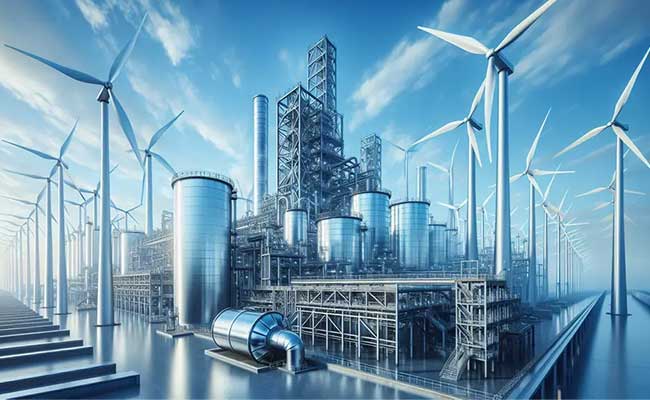
1. Renewable Energy: Corrosion-resistant steels play a vital role in the construction of offshore wind turbines and solar energy support structures. Steel is also used in the development of storage systems and infrastructure for green hydrogen.
2. 3D-Printed Steel: The production of complex and customized components through additive manufacturing using steel powders has created new opportunities in industries such as aerospace and medicine, including the production of certain biomedical and orthopedic components.
3. Smart Steels: Research into advanced steels includes the development of materials with self-healing capabilities as well as steels incorporating nanostructured coatings designed to resist contamination and withstand harsh environmental conditions.
4. Medical Applications: Advanced stainless steels, such as 316L stainless steel, are widely used in surgical instruments, implants, and medical devices because of their high corrosion resistance and suitable biocompatibility.
Comparing Steel with Advanced Materials
Despite the emergence of materials such as aluminum, titanium, and composites, steel continues to maintain its important position.
The main reasons include:
- Lower production costs in many applications.
- A wide range of mechanical properties.
- High recyclability and sustainability potential.
- A well-established global production and supply infrastructure.
The Future Outlook for the Steel Industry
As one of the foundations of industrial and economic development, the steel industry is approaching a period of significant transformation. Several key trends are expected to shape its future:
1. Moving Toward Sustainable Development: Reducing the carbon footprint through technologies such as hydrogen-based steelmaking, greater recycling, and improved energy efficiency will remain a major priority. Environmental pressures and international regulations will be among the key drivers of this transformation.
2. Technology and Digitalization: Artificial intelligence, the Internet of Things, and advanced automation will increasingly be used to optimize processes, reduce costs, and improve product quality. These developments will contribute to the emergence of smart factories and greater competitiveness.
3. Changes in Global Demand: The growth of developing economies, particularly in Asia and Africa, is expected to increase demand for steel. At the same time, demand for specialized and higher-quality steel products is likely to grow in advanced industries such as electric vehicles and renewable energy.
4. Resource Supply Challenges: The availability of high-grade iron ore and fluctuations in energy prices will remain ongoing challenges for the steel industry. As a result, greater emphasis will be placed on scrap recycling and the development of alternative resources.
Conclusion
From the Industrial Revolution to the present day, steel has been more than an industrial material; it has been a symbol of human progress.
This simple yet powerful material has made it possible to build the modern world—from railway tracks and bridges to skyscrapers and aerospace industries.
As innovation continues, steel will remain a central material in shaping the future—a future in which environmental sustainability, green technologies, and advanced engineering will play decisive roles in its continued evolution.