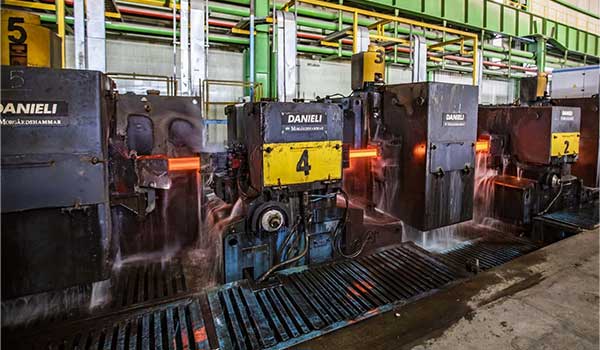
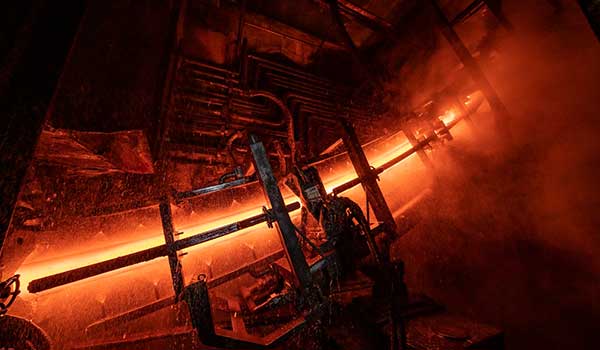
South Rouhina Steel Complex – The steel structures industry has long struggled with the persistent challenge of coating deterioration. Although traditional protective coatings are effective against steel corrosion, they often fail when exposed to various environmental and mechanical stresses. Fortunately, a promising solution is now available. In this article, we explore how self-healing steel coatings are expected to prevent steel corrosion and transform the steel construction industry.
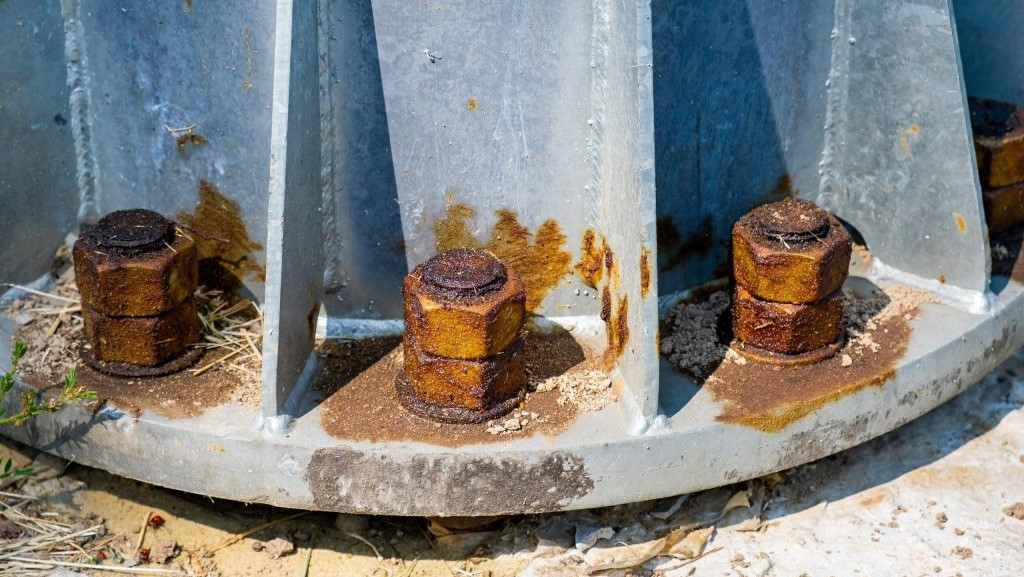
Understanding Corrosion-Prone Areas in Steel
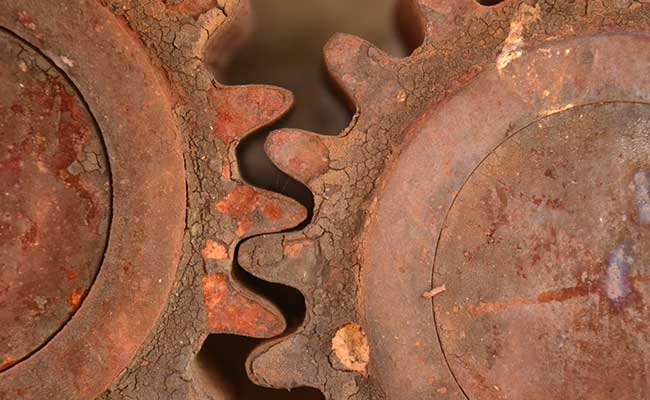
Steel corrosion commonly occurs around joints and connection points, where regular movement and stress can create microscopic cracks in protective coatings. Transportation and installation processes can also pose significant risks to coating integrity.
Even minor scratches caused by handling or tool impacts can compromise the protective layer, creating vulnerable areas that traditional coatings cannot repair without human intervention. These problems often occur in difficult-to-access locations, making conventional repairs both costly and logistically challenging.
The Science Behind Self-Healing Coatings
The revolutionary aspect of self-healing coatings lies in their sophisticated molecular structure. These innovative materials contain microscopic capsules filled with healing agents that are distributed throughout the coating matrix. When damage occurs, these capsules rupture and release compounds that react with surrounding materials or air to form a new protective barrier.
Some advanced coating systems use smart polymers that respond to environmental stimuli such as temperature changes or exposure to ultraviolet radiation. When activated, these materials can physically repair surface damage by returning to their original shape.
Other systems rely on ionic or hydrogen-bonded networks that can repeatedly break and reform. This allows the coating to undergo multiple healing cycles without losing its protective capabilities.
Testing Performance in the Real World
Field tests have produced promising results for self-healing coatings in a variety of environments. In marine applications, salt-spray testing—a widely used industry standard for evaluating coating performance—has shown that certain self-healing formulations can significantly reduce the spread of corrosion compared with conventional coatings. However, performance varies considerably depending on the specific coating technology and testing conditions.
Thermal cycling tests conducted between -20°C and +60°C have also confirmed the ability of these coatings to maintain their self-healing properties under challenging environmental conditions. Particularly notable results have been observed in accelerated weathering chambers, where some self-healing formulations have maintained their protective properties for periods equivalent to 15 years of natural exposure.
Cost-Benefit Analysis
Although the initial investment in self-healing coatings is generally higher than that of traditional systems, their long-term financial benefits provide a compelling reason for adopting this technology. Reduced inspection and maintenance requirements alone may offset the higher initial purchase cost within the first five years of service life.
This technology also offers significant quality-assurance benefits. The self-healing nature of these coatings provides an additional safety margin against damage that may occur during the handling, fabrication, and installation of steel structures.
The Next Generation
The next generation of self-healing coatings promises even more sophisticated capabilities for protecting steel against corrosion. Research laboratories are developing smart coating systems incorporating nanosensors capable of monitoring structural health and coating integrity in real time.
These systems could potentially communicate with building management systems and provide early warnings before problems become critical.
Hybrid systems that combine multiple healing mechanisms also offer promising prospects for the future. The implications for the steel structures industry are extensive. As these technologies continue to evolve, we may need to fundamentally rethink our approach to corrosion-protection and maintenance strategies.
For the steel industry, the development of self-healing coatings represents an important step toward longer-lasting structures, reduced maintenance requirements, and more efficient approaches to corrosion protection.