South Rouhina Steel Complex – As the world intensifies its efforts to reduce carbon emissions and combat climate change, infrastructure supporting clean energy plays a vital role. At the heart of this infrastructure lies an often-overlooked hero: steel.
This versatile material is essential for the construction and operation of a wide range of renewable energy systems, from wind farms and solar arrays to hydroelectric power plants. Let us take a closer look at the importance of steel in renewable energy infrastructure.
Steel in Wind Turbine Construction
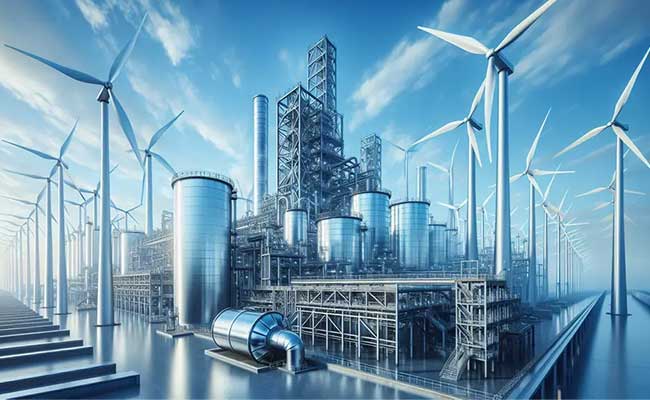
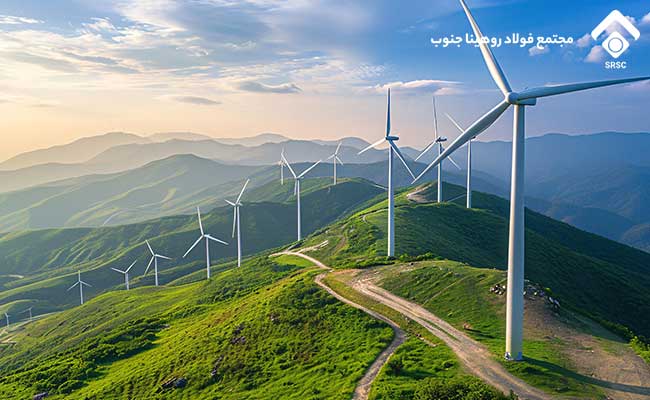
Wind energy has emerged as one of the leading sources of renewable energy, with towering turbines becoming a familiar sight across landscapes around the world. Steel forms the backbone of these impressive structures, providing the strength and stability required to effectively harness the power of the wind.
The towers that support wind turbines are primarily made of steel. These cylindrical structures, which can often exceed 100 meters in height, must withstand enormous wind forces as well as the weight of the nacelle and rotor blades. Steel’s exceptional strength-to-weight ratio makes it an ideal material for this application. It provides the structural integrity required while keeping the overall weight of the tower manageable.
The nacelle, which houses the turbine’s generating components—including the gearbox, generator and other critical mechanical parts—also relies heavily on steel. Steel’s durability and tensile strength ensure that these components can operate reliably for decades, even in harsh marine environments where many offshore wind farms are located.
Although rotor blades are generally manufactured from composite materials, steel plays an essential role in their construction and connection. The hub that connects the blades to the nacelle and the pitch-control system used to adjust blade angles are manufactured from high-grade steel alloys capable of withstanding tremendous loads.
Solar Panel Mounting and Framing Systems
Frames that hold individual solar panels are often made from galvanized steel. This corrosion-resistant material ensures that solar panels remain securely in place for decades while protecting sensitive photovoltaic cells from environmental damage.
The galvanizing process, in which steel is coated with a layer of zinc, provides excellent protection against rust and degradation, even in coastal environments where salt exposure can be particularly corrosive.
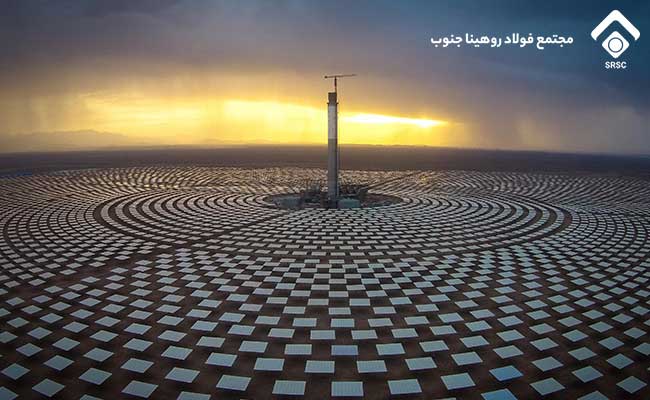
Large-scale solar farms also depend on extensive steel support structures to maximize energy capture. These structures, known as solar trackers, allow panels to follow the movement of the sun throughout the day, significantly increasing energy efficiency.
The strength and flexibility of steel make it possible to design sophisticated tracking systems that can withstand a wide range of weather conditions while maintaining precise positioning.
Steel’s Contribution to Hydroelectric Power Plants
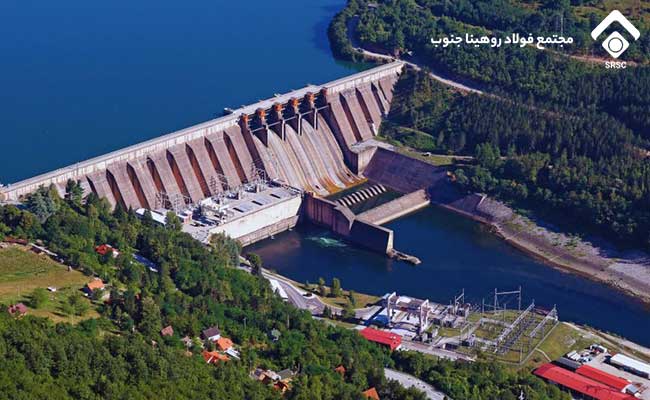
Hydropower is one of the oldest forms of renewable energy and continues to play a major role in the energy mix of many countries. Steel is indispensable to these massive facilities, from the dams that create water reservoirs to the turbines that generate electricity.
The structural components of dams often contain significant amounts of steel reinforcement. Steel reinforcement provides the tensile strength required to contain enormous volumes of water and withstand the immense pressures exerted on dam walls.
Steel’s ability to undergo limited deformation under stress without compromising structural integrity makes it particularly valuable in dam construction, especially in earthquake-prone areas.
The turbines at the heart of hydroelectric power generation are engineering marvels in which steel plays a critical role. The massive blades and shafts of these turbines must be exceptionally strong to withstand the force of rapidly moving water while maintaining precise tolerances.
High-grade stainless steel alloys are often used for these components because they provide excellent resistance to corrosion and damage caused by cavitation.
The extensive network of pipelines that transports water through hydroelectric systems also relies heavily on steel. These pipes, which can reach several meters in diameter, must withstand enormous internal pressures as well as the weight of soil in buried sections. The strength and durability of steel make it the material of choice for these critical components.
The Importance of Steel in Energy Storage Solutions
As renewable energy sources become increasingly important, the need for effective energy storage solutions has grown significantly. Steel is essential for developing the infrastructure required to store and efficiently distribute clean energy.
Large-scale battery energy storage systems, such as those used to stabilize electricity grids and store surplus energy generated by wind and solar facilities, often incorporate steel enclosures and support structures.
These enclosures protect sensitive electronic components from environmental elements while providing a secure and fire-resistant housing for potentially hazardous materials.
In pumped-storage hydropower systems, which use surplus electricity to pump water into elevated reservoirs for later use, steel is also critical to the construction of the required infrastructure.
From pipes and valves that control water flow to the structural systems supporting reservoirs, the strength and durability of steel are essential for the long-term operation of these facilities.
Steel Recycling and Sustainability in Green Energy
Although steel production has traditionally been associated with relatively high carbon emissions, the material’s recyclability and long service life make it a sustainable choice for renewable energy infrastructure.
Steel can be recycled repeatedly without losing its fundamental properties. This means that steel used in today’s wind turbines and solar farms can potentially be recovered and reused in future clean-energy projects.
The steel industry is also taking significant steps to reduce its environmental impact. Many steel producers, including Rouhina South Steel Complex, are increasingly adopting electric arc furnace technologies powered by renewable energy, which can significantly reduce the carbon footprint associated with steel production.
In addition, ongoing research into hydrogen-based steelmaking offers the potential to further reduce greenhouse gas emissions in the coming decades.
Steel: A Key Material for a Sustainable Energy Future
As renewable energy infrastructure continues to expand and evolve, the role of steel will remain essential.
Its unique combination of strength, durability, versatility and recyclability makes steel an ideal material for building the foundations of a greener future.
From towering wind turbines that capture the power of the breeze to the sophisticated components of hydroelectric dams and large-scale solar installations, steel will undoubtedly remain a critical material in the global transition toward a cleaner and more sustainable energy system.
Steel is more than just a construction material—it is one of the fundamental building blocks supporting the world’s renewable energy future.