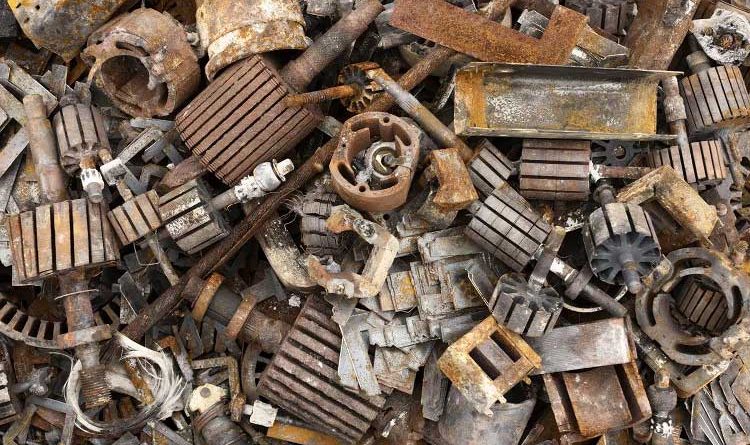
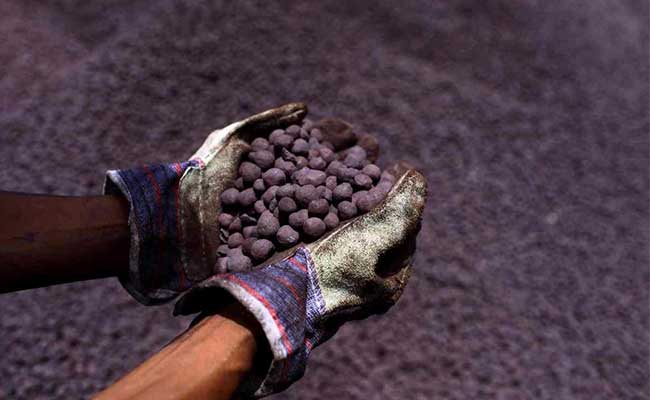
South Rouhina Steel Complex – Steel is one of the transformative elements that has turned urban visions from seemingly impossible concepts into remarkable realities. Often regarded as one of the ultimate tools of modern urban development, structural steel has fundamentally changed the way we conceptualize, design, and construct our cities. Today, steel forms the backbone of contemporary urban environments.
In this article, we explore how steel has contributed to the development and transformation of modern cities.
Enabling High-Rise Structures
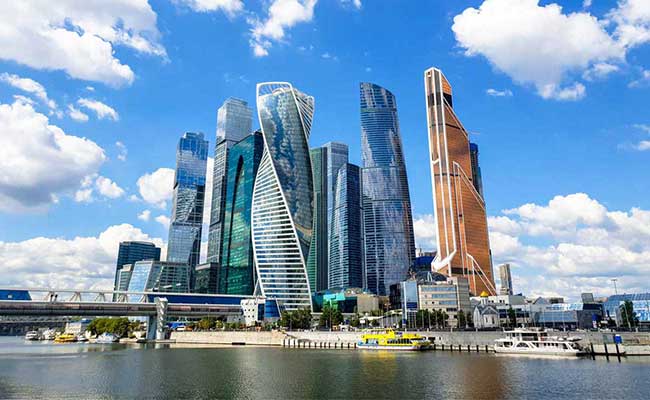
One of the clearest examples of the impact of structural steel on modern architecture is the rise of skyscrapers. Before steel became widely used, buildings were constrained by the limitations of traditional materials such as stone and brick. Architects and engineers could only dream of structures that would rise far above the ground and seemingly reach the clouds.
The widespread use of steel in construction eventually turned those dreams into reality.
With its remarkable ability to withstand enormous vertical loads while remaining relatively lightweight, structural steel allows buildings to reach unprecedented heights. Cities such as London, New York, and Hong Kong have been transformed by high-rise buildings over recent decades, while iconic structures such as Dubai’s Burj Khalifa demonstrate how steel can make architectural ambitions that once seemed impossible achievable.
Architectural Freedom and Innovative Design
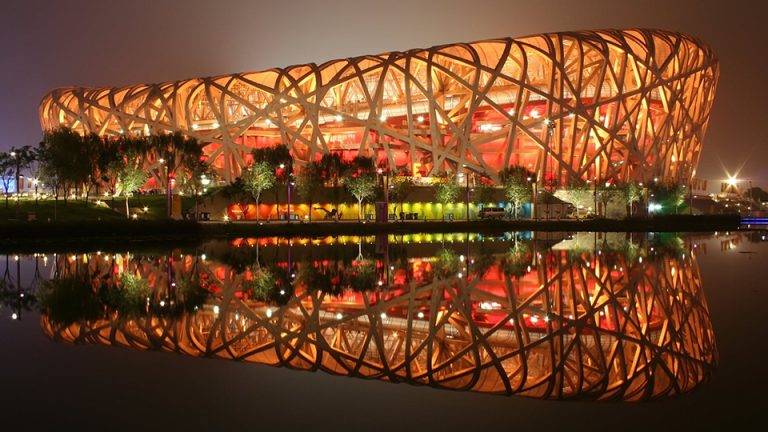
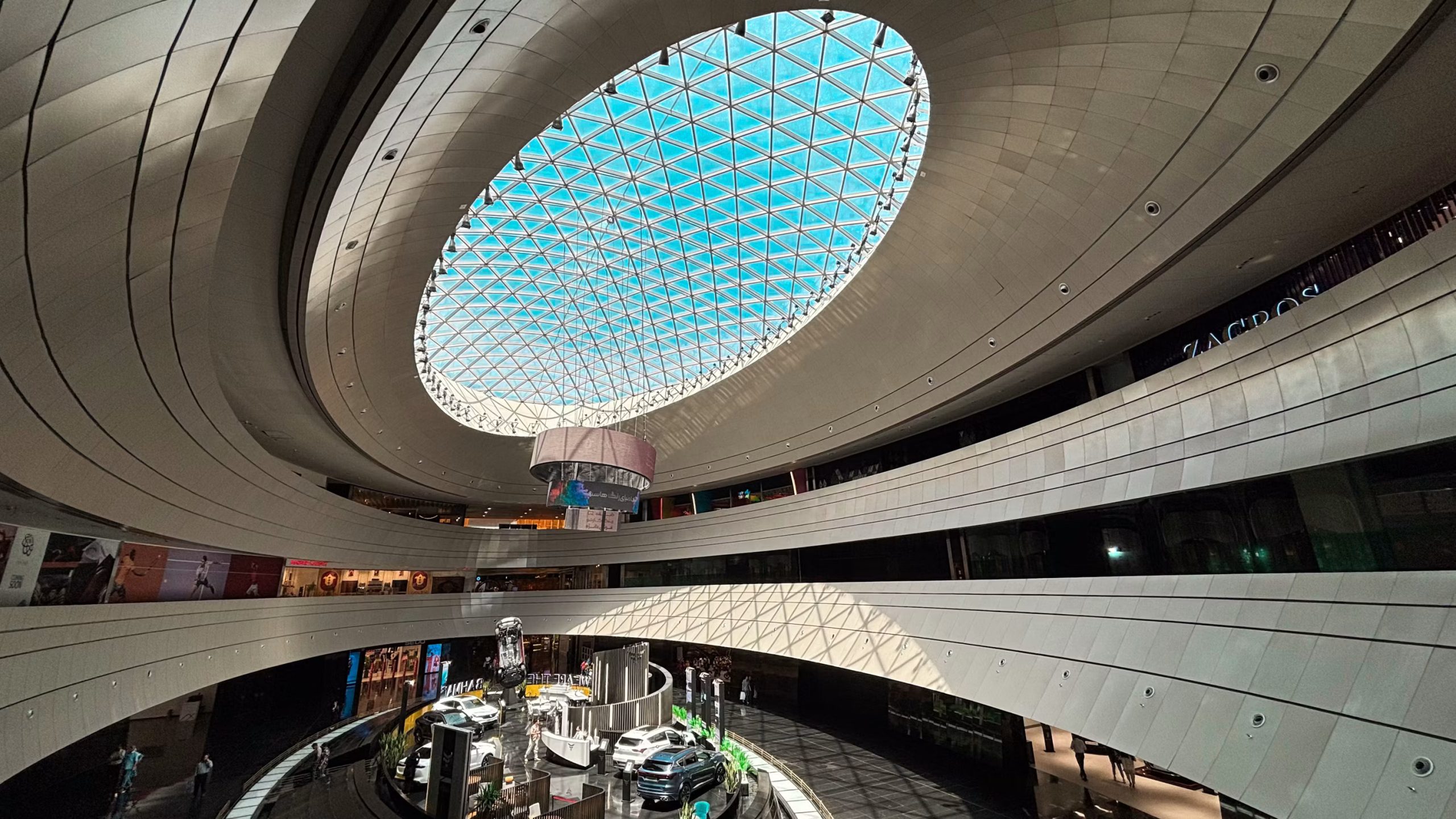
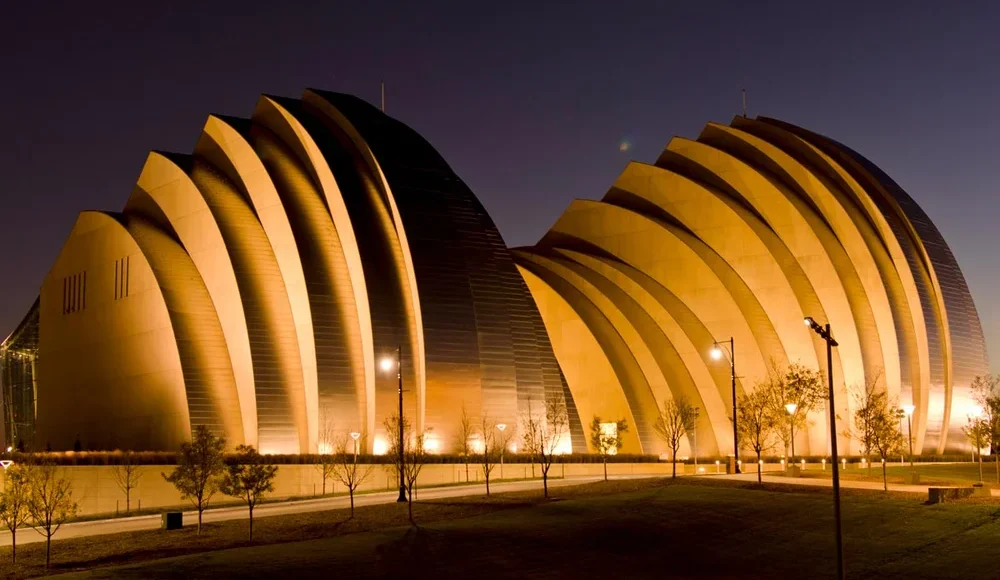
The inherent flexibility of steel provides architects with unprecedented opportunities for creativity. Unlike rigid and heavy construction materials that can limit design possibilities, steel makes it possible to create vast open spaces, dramatic cantilevers, and complex geometric forms that challenge traditional architectural styles.
Today, commercial spaces benefit greatly from the versatility of steel. Large column-free areas can be created, providing flexible working environments that can adapt to changing business needs.
From sophisticated corporate headquarters to advanced cultural centers, steel gives designers the freedom to push boundaries and reimagine spatial experiences.
Efficiency in Construction
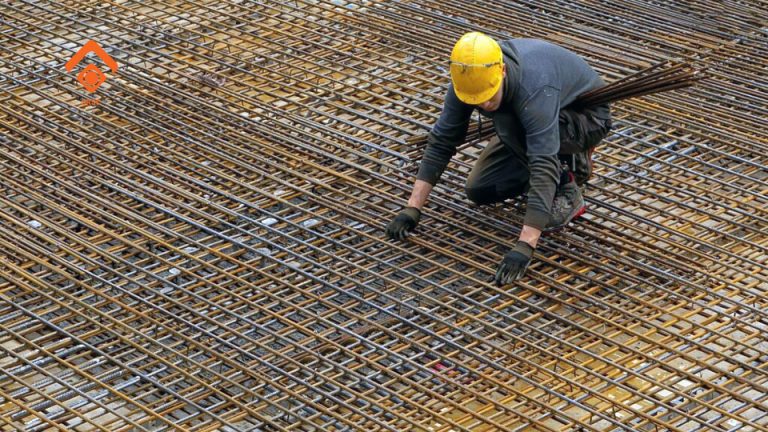
Structural steel offers significant advantages when it comes to construction schedules. Prefabrication techniques allow components to be manufactured precisely off-site and then assembled rapidly, significantly reducing the amount of work required at the construction site.
Modular construction techniques using steel components can provide substantial efficiency. Entire sections of a building can be manufactured in controlled factory environments, helping ensure high quality standards while minimizing disruption at the construction site.
This approach can accelerate project completion while reducing labor costs and potential safety risks associated with traditional construction methods.
Strength and Durability
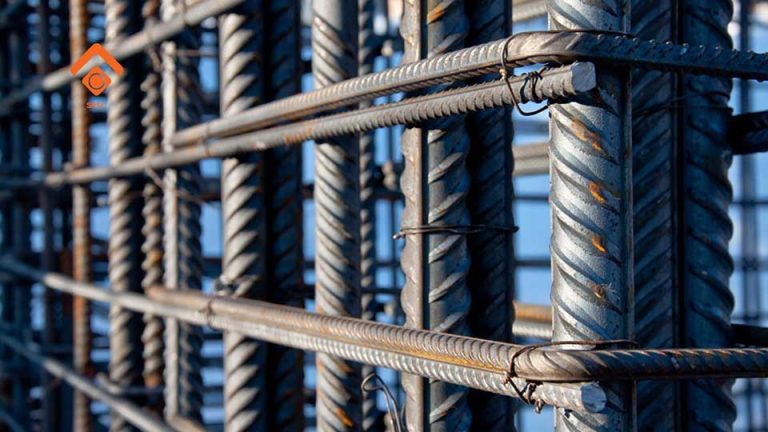
Steel’s reputation for strength and durability makes it an exceptional material for buildings that must withstand challenging environmental conditions. Whether exposed to strong coastal winds or potential seismic activity in certain regions, steel-framed buildings can demonstrate remarkable resilience.
Modern steel alloys can be engineered to provide enhanced resistance to corrosion, maintain structural integrity at high temperatures, and deliver excellent performance during natural disasters.
This inherent strength helps ensure that steel structures can serve communities for generations, representing a long-term investment in urban infrastructure.
A Solution for Green Construction
Steel is at the forefront of sustainable construction practices. One of its key advantages is its high recyclability, meaning that steel components can be reused and recycled multiple times without compromising structural quality, significantly reducing their environmental impact.
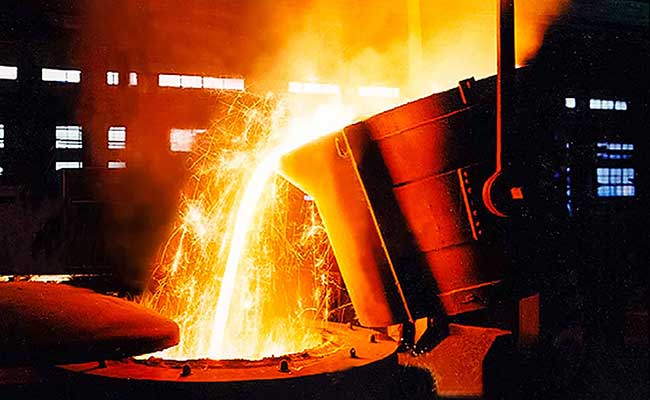
Modern steel production is also becoming increasingly energy-efficient, with many manufacturers adopting green technologies and circular-economy principles.
This commitment to sustainability positions steel as a vital material for creating environmentally responsible buildings and structures.
Supporting Urban Infrastructure
Bridges, tunnels, transportation systems, and public facilities all rely on the unique properties of steel to connect and support growing urban populations.
Steel has played a critical role in developing the infrastructure that makes modern urban life possible. Its ability to span long distances and support substantial loads makes it indispensable for creating connected, functional, and resilient cities.
As cities continue to grow and evolve, steel will remain a fundamental material in shaping their physical landscape and supporting the infrastructure required for modern urban life.