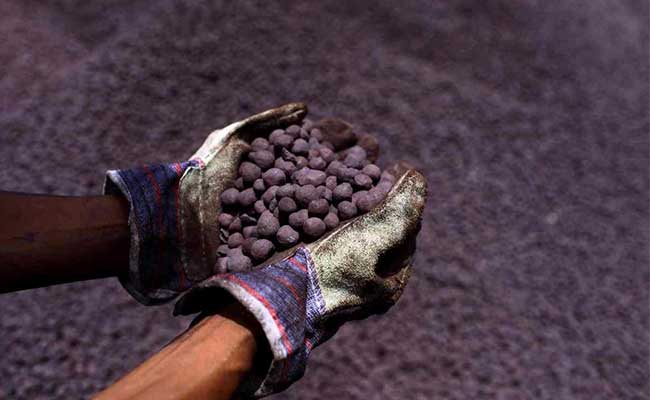
Rohina South Steel Complex – Steel is one of the most essential materials used in construction, infrastructure, refineries, power plants, and industrial projects. Its quality plays a decisive role in the safety, durability, and performance of structures. Given the importance of steel, controlling its quality and production processes through internationally recognized standards and certifications is essential.
Steel certifications not only help ensure product quality but also play a significant role in reducing project risks, improving efficiency, building client confidence, and meeting regulatory requirements.
This article examines the most important certifications and standards related to steel production and explains their impact on the quality and success of construction and industrial projects.
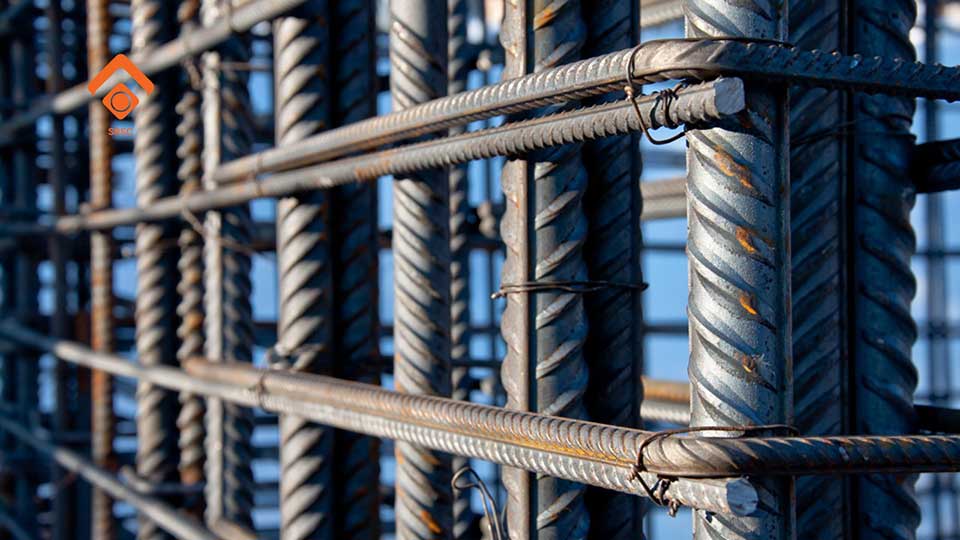
Key Certifications and Standards in the Steel Industry
Certifications and standards in the steel industry play a fundamental role in ensuring the quality, safety, and sustainability of production processes. The most important ones include the following.
1. ISO 9001 Quality Management System
ISO 9001 is one of the world’s most widely recognized quality management standards. Steel manufacturers holding this certification demonstrate that their production processes, quality control procedures, customer services, and risk management practices are managed according to internationally recognized quality management principles.
It also supports effective quality monitoring and traceability throughout the production cycle.
Benefits for projects include:
- Reducing the likelihood of defective products
- Ensuring consistent product quality
- Improving the traceability of supplied materials
- Demonstrating the manufacturer’s commitment to continuous improvement
2. ISO 14001 Environmental Management System
Steel production is an energy-intensive process that can generate various environmental impacts. Therefore, compliance with environmental management standards is particularly important.
ISO 14001 emphasizes the identification, control, and reduction of the environmental impacts associated with steel production and industrial activities.
Importance for projects includes:
- Supporting the selection of sustainable suppliers
- Reducing legal and environmental risks
- Improving project performance in ESG assessments
- Reducing costs associated with waste management
3. ISO 45001 Occupational Health and Safety
Employee safety is particularly important in heavy industries such as steel manufacturing. ISO 45001 provides a structured framework for managing occupational health and safety risks in industrial facilities.
Its impact on projects includes:
- Reducing workplace accidents throughout the supply chain
- Minimizing production interruptions caused by accidents
- Increasing reliability in project scheduling
4. ASTM, EN and JIS Steel Standards
ASTM, EN, and JIS are among the major technical standards used for steel products. These standards address the mechanical, chemical, dimensional, and performance characteristics of structural and industrial steels.
- ASTM: American standards covering various steel grades such as A36, A572, and A516
- EN: European standards, including EN 10025 and EN 10210
- JIS: Japanese standards widely used in industrial and oil and gas projects
Why are these standards important?
- They ensure that steel properties are compatible with engineering designs.
- They provide confidence in the required strength, weldability, and formability of steel.
- They help reduce performance-related defects and increase structural service life.
5. CE Marking for Access to the European Market
CE marking indicates that a product complies with applicable European Union requirements. For projects involving imported materials or equipment, CE marking can provide additional assurance regarding compliance with relevant European requirements.
Its impact includes:
- Supporting compliance with applicable European requirements
- Reducing the risk of material rejection in international projects
6. Mill Test Certificate (MTC)
The Mill Test Certificate, commonly known as MTC, is one of the most important documents used in construction, oil and gas, and petrochemical projects.
An MTC provides documented information about the chemical and mechanical properties of a specific batch or heat of steel and demonstrates its compliance with the applicable standard.
Typical MTC information includes:
- Chemical composition
- Mechanical properties such as yield strength, tensile strength, and elongation
- Confirmation of compliance with the relevant standard
The role of MTC in project quality includes:
- Verifying the actual properties of the supplied steel
- Enabling accurate material traceability
- Helping prevent the use of materials that do not meet required quality specifications
How Steel Certifications Affect Project Quality and Success
1. Improving Structural Safety
Steel quality has a direct relationship with structural behavior under static and dynamic loads as well as environmental conditions. Using certified steel from reliable manufacturers can help reduce the risk of unexpected failures and structural incidents.
2. Reducing Construction Costs
Although certified manufacturers may sometimes offer products at higher initial prices, the use of reliable and compliant steel can reduce several indirect costs, including:
- Rework
- Construction-site downtime
- Welding and installation defects
- Legal and contractual costs resulting from poor-quality materials
As a result, choosing certified steel can contribute to lower overall project costs over the long term.
3. Improving Project Scheduling
Consistent steel quality helps minimize technical problems during welding, forming, fabrication, and installation. This can accelerate project execution and reduce unexpected interruptions.
Reliable material quality is particularly important in large-scale industrial projects, where even minor material-related problems can have a significant impact on project schedules.
4. Increasing Client Confidence and Project Credibility
Companies that work with certified and reliable steel suppliers can strengthen their credibility in tenders and major construction and industrial projects.
This is particularly important in government projects, oil and gas developments, power plants, and EPC projects, where material quality, traceability, and compliance with technical specifications are often critical requirements.
5. Supporting Sustainability and Corporate Responsibility
The growing importance of environmental standards has increased the demand for steel products manufactured under appropriate environmental management systems.
Using steel supplied by manufacturers that follow standards such as ISO 14001 can support better performance in areas such as sustainability, pollution control, resource efficiency, and energy management.
Challenges and Limitations
Despite the numerous benefits of certifications and standards, several challenges should also be considered. These include:
- The cost of obtaining and maintaining certifications, particularly for smaller manufacturers
- The possibility of counterfeit or invalid certificates being presented
- The absence of fully integrated systems for verifying certificate authenticity in some markets
- The need for continuous employee training to maintain compliance with management and technical standards
For this reason, buyers should verify the validity of certifications and carefully review technical documentation before selecting a steel supplier.
The Importance of Certified Steel in Modern Projects
Steel certifications are essential tools for ensuring the quality, safety, traceability, and sustainability of steel products used in construction and industrial projects.
Standards such as ISO 9001, ISO 14001, and ISO 45001, together with technical standards such as ASTM, EN, and JIS, provide project owners, engineers, contractors, and procurement teams with greater confidence in the materials they select.
The use of certified steel can help reduce technical, environmental, and operational risks while improving structural safety, project efficiency, and long-term reliability.
Therefore, selecting certified and traceable steel should not be considered merely a technical preference. It is an important managerial and economic decision that can contribute significantly to the long-term success of construction and industrial projects.
For large-scale projects, particularly those in the construction, infrastructure, oil and gas, petrochemical, power generation, and manufacturing sectors, working with a reliable steel producer and carefully verifying technical certificates and material documentation are essential steps toward achieving consistent quality and project reliability.