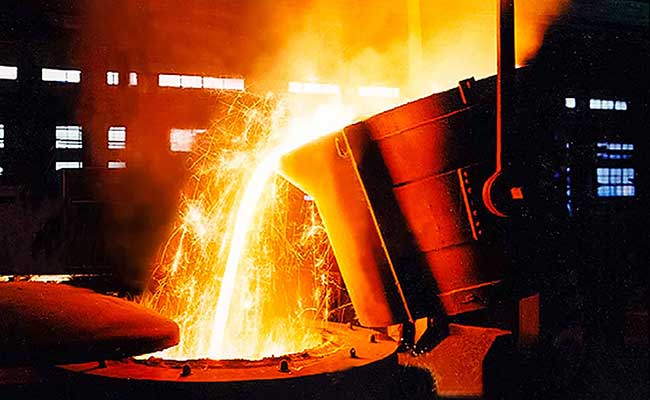
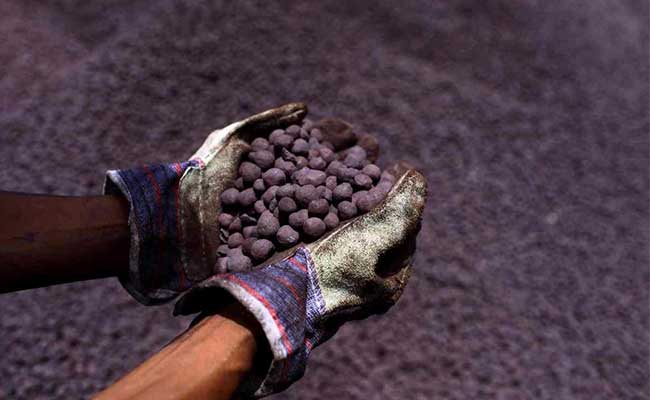
Rohina South Steel Complex – In the metal and metallurgical industries, melting furnaces are among the most fundamental pieces of equipment. The primary purpose of these furnaces is to heat metallic materials to their melting point and provide suitable conditions for processes such as casting, refining, and alloying.
The choice of melting furnace depends on several factors, including the type of metal, production capacity, required quality, energy costs, and environmental considerations. Understanding the different types of melting furnaces, their operating principles, and their technical differences is essential for engineers and professionals working in the metal industry.
This article introduces and examines the main types of melting furnaces, including fossil fuel furnaces, induction furnaces, electric arc furnaces, rotary furnaces, crucible furnaces, reverberatory furnaces, resistance furnaces, and reactive furnaces. A comparison of these furnaces in terms of energy efficiency and environmental impact is also provided.
Fossil Fuel Furnaces
Fossil fuel furnaces are among the oldest types of melting furnaces. They use fuels such as natural gas, oil, or coal to generate heat. The heat is transferred to the metal either directly or indirectly through a flame.
Advantages
- Relatively low initial construction cost
- Can be used in areas without access to industrial electricity
- Suitable for melting heavy metals such as cast iron and steel
Disadvantages
- High pollution due to greenhouse gas emissions
- Difficult temperature control
- Relatively low thermal efficiency because of energy losses through the exhaust system
Fossil fuel furnaces were widely used in the past. However, due to environmental concerns and relatively low efficiency, they are gradually being replaced by more advanced technologies.
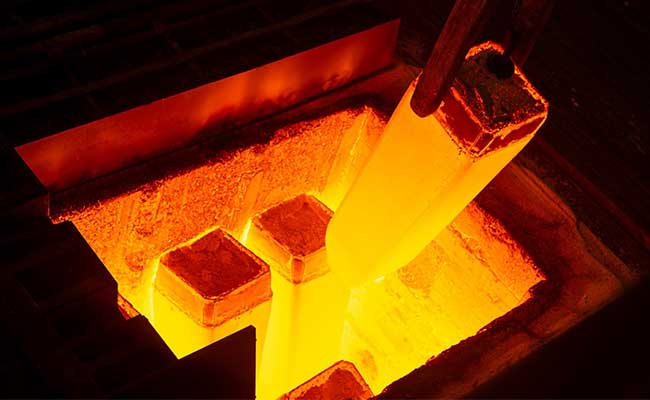
Induction Furnaces
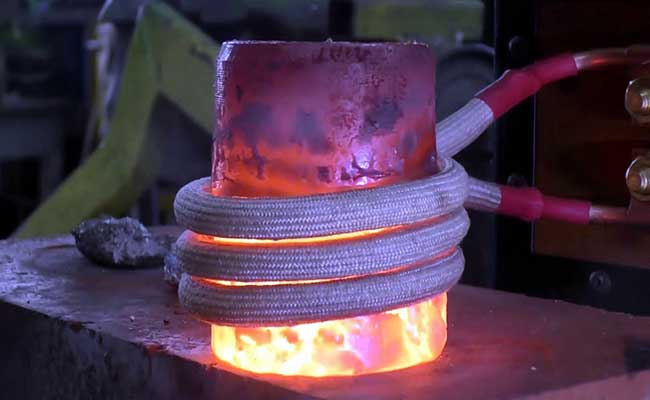
An induction furnace uses an alternating magnetic field to heat and melt metal. In this system, an electrical coil generates a high-frequency current that induces eddy currents inside the metal. These currents generate heat and cause the metal to melt.
Types of Induction Furnaces
- Channel induction furnaces: Used for continuous melting of large quantities of metal, such as cast iron in foundries.
- Coreless induction furnaces: Commonly used for producing alloy steels and non-ferrous metals at smaller production capacities.
Advantages
- High energy efficiency and low energy losses
- Very low emissions and environmentally friendly operation
- Precise control over temperature and molten metal chemistry
- Clean final products due to the absence of direct fuel contact with the melt
Disadvantages
- High initial investment cost
- Requires a stable and high-capacity electricity supply
- Limitations in melting capacity and furnace size
Induction furnaces are currently among the most popular options for advanced industries, particularly in the production of alloy steels and high-performance metal components.
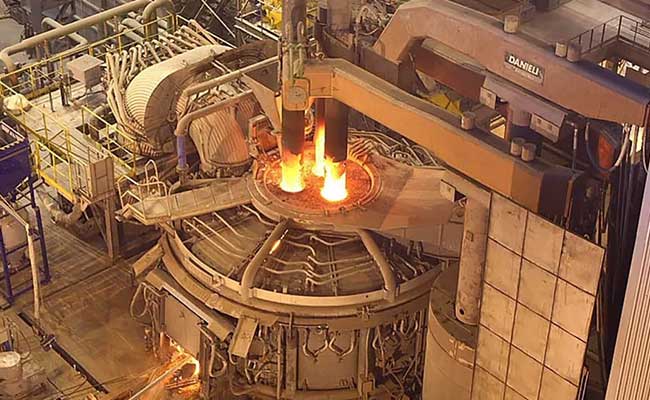
Electric Arc Furnace
The Electric Arc Furnace (EAF) is one of the most widely used furnaces in modern steelmaking. It generates heat through an electric arc formed between graphite electrodes and the metallic charge. The temperature of the electric arc can exceed 3,500°C.
Advantages
- High melting speed
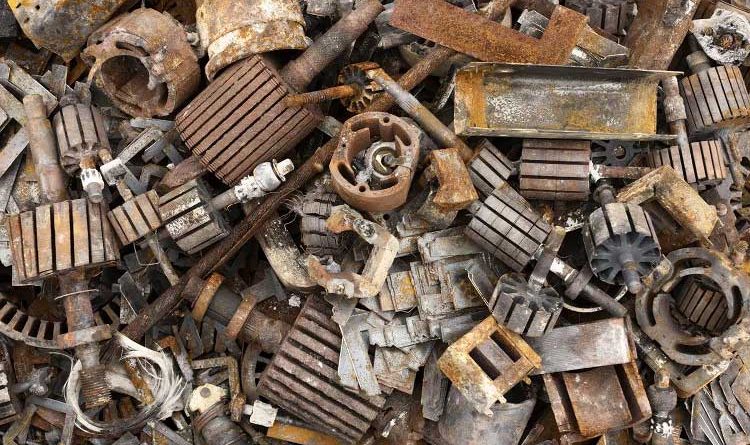
- Ability to use scrap metal as a raw material
- Precise control of steel chemical composition
- High potential for automation
Disadvantages
- High electricity consumption
- Continuous maintenance and replacement of electrodes
- Significant levels of noise and light pollution
A significant share of the world’s steel is produced using electric arc furnaces because of their flexibility, high productivity, and ability to use recycled steel scrap as a raw material.
Rotary Furnaces
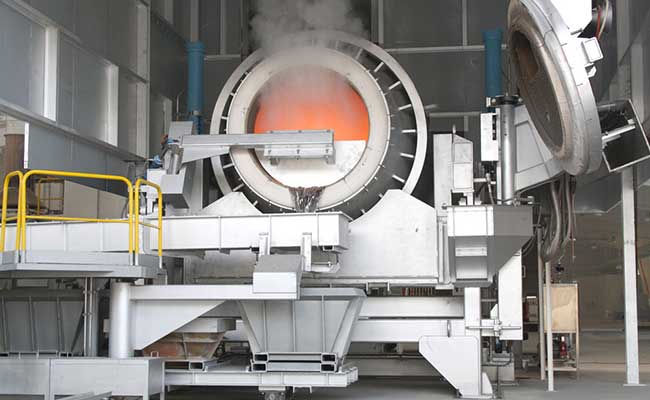
A rotary furnace consists of a large cylindrical metal chamber installed horizontally and rotated slowly around its axis. These furnaces are commonly used for melting and remelting non-ferrous metals such as aluminum and lead.
Advantages
- Suitable for recycling metal scrap
- Uniform mixing of materials during rotation
- Capable of melting large quantities of heterogeneous materials
Disadvantages
- High fuel consumption
- Significant wear of the furnace body and refractory lining
- Difficult temperature and oxidation control
Rotary furnaces are particularly common in the aluminum recycling industry, as they can melt different types of scrap with acceptable efficiency.
Crucible Furnaces
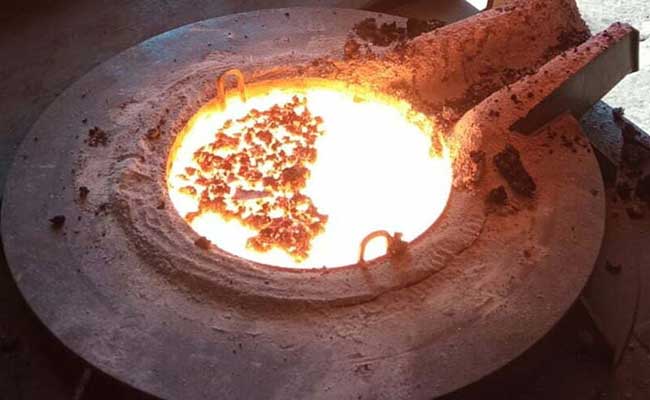
In a crucible furnace, the metal is placed inside a refractory crucible, while heat is supplied from around or beneath the crucible. Depending on the furnace design, the energy source may be gas, oil, or electricity.
Types of Crucible Furnaces
- Stationary crucible furnaces: The simplest type, commonly used in small workshops.
- Tilting crucible furnaces: Equipped with a tilting mechanism that facilitates the pouring of molten metal.
Advantages
- Low construction cost and quick installation
- Suitable for melting non-ferrous metals such as copper, bronze, and aluminum
- Simple maintenance and repair
Disadvantages
- Limited melting capacity
- Difficult temperature control in fuel-fired models
- Potential reduction in metal quality if the fuel comes into contact with the molten metal
Crucible furnaces are mainly used in small workshops and traditional foundry operations.
Reverberatory Furnaces
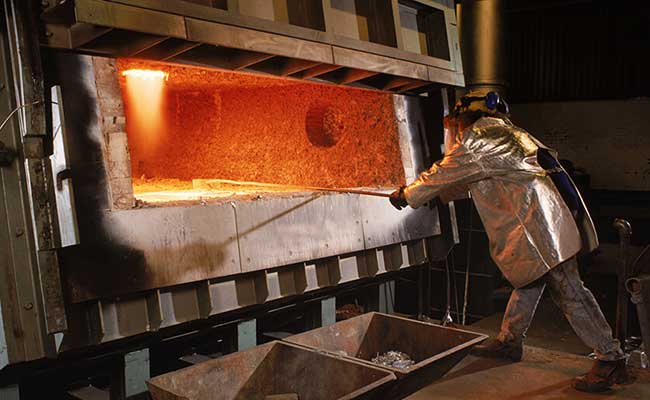
In a reverberatory furnace, the flame does not directly come into contact with the surface of the metal. Instead, heat is reflected from the furnace roof and walls before being transferred to the metal indirectly. This design helps protect the molten metal from direct contamination by the fuel.
Advantages
- Suitable for melting large quantities of non-ferrous metals
- Relatively uniform molten metal quality
- Reasonable temperature control
Disadvantages
- Significant heat losses
- Requires considerable installation space
- Emissions resulting from fuel combustion
Reverberatory furnaces are mainly used for melting aluminum, copper, and lead on an industrial scale.
Resistance Furnaces
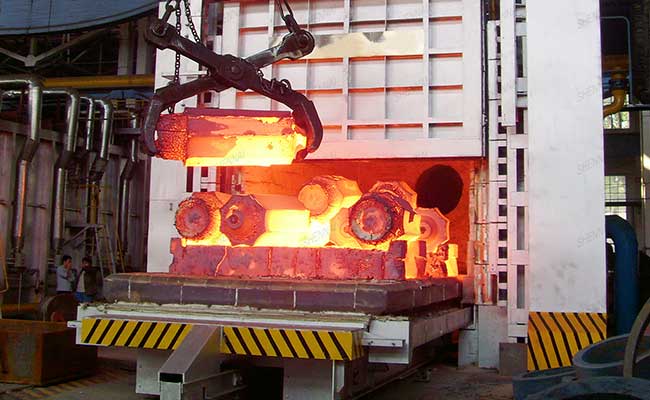
In resistance furnaces, heat is generated through the electrical resistance of heating elements, which are commonly made from nickel-chromium alloys. The generated heat is transferred to the metal through radiation or convection.
Advantages
- Precise temperature and heating-rate control
- Very low direct emissions
- Suitable for precious metals and materials that are sensitive to contamination
Disadvantages
- High investment and energy costs
- Limited capacity
- Requires regular maintenance of heating elements
Resistance furnaces are commonly used in electronics manufacturing, precious-metal processing, laboratories, and research facilities.
Reactive Furnaces
Reactive furnaces are designed for melting metals that may undergo chemical reactions with their surrounding environment, such as titanium and zirconium.
To prevent oxidation and unwanted chemical reactions, these furnaces operate under controlled atmospheres using inert gases such as argon or helium, or under vacuum conditions.
Advantages
- Extremely high molten-metal purity
- Suitable for producing advanced alloys and specialized metals
- Precise control over the physical and chemical conditions of the melting environment
Disadvantages
- Very high equipment and operating costs
- Complex design and operation
- Requires vacuum equipment and inert-gas systems
Reactive furnaces are mainly used in specialized industries such as aerospace, medical technology, and defense manufacturing.
General Comparison of Melting Furnaces
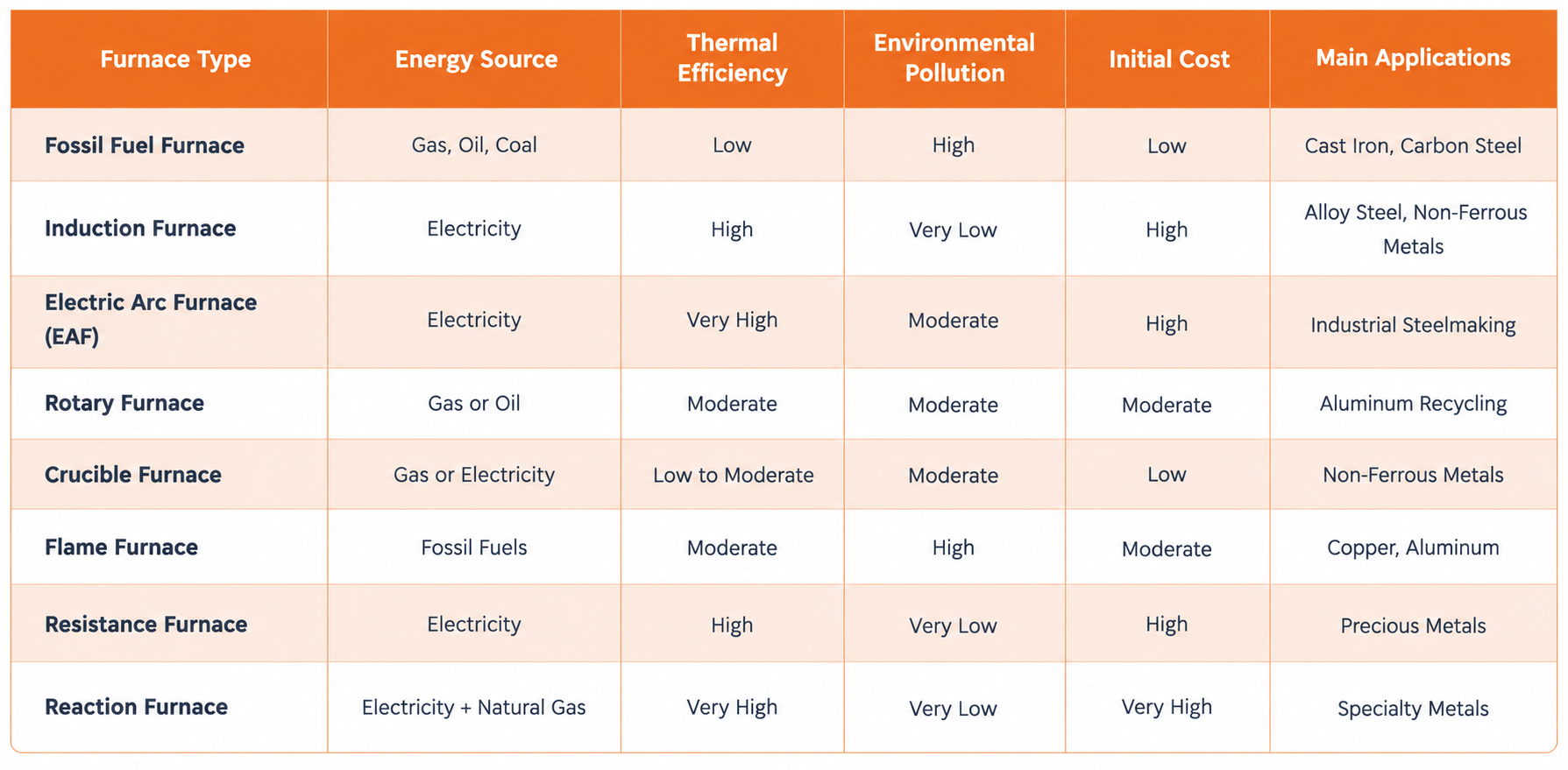
Melting furnaces play a decisive role in determining the quality and production cost of metals. Selecting the appropriate furnace depends on factors such as the type of material, production scale, available energy sources, required product quality, and environmental considerations.
In recent decades, technological developments have enabled electric furnaces such as induction furnaces and electric arc furnaces to replace many traditional fuel-fired systems because of their higher efficiency, greater process control, and lower direct emissions.
At the same time, the development of reactive and vacuum furnaces for advanced metals and specialized alloys demonstrates the industry’s movement toward cleaner, more precise, and better-controlled metallurgical processes.
In the future, the integration of smart technologies, automated process control, and energy recovery systems is expected to further improve the performance of melting furnaces. These developments can help increase energy efficiency, reduce emissions, and provide more accurate control over material properties.
Therefore, understanding the capabilities and limitations of each type of melting furnace and selecting the appropriate technology are essential for achieving efficient, sustainable, and economically viable production in modern metallurgy.