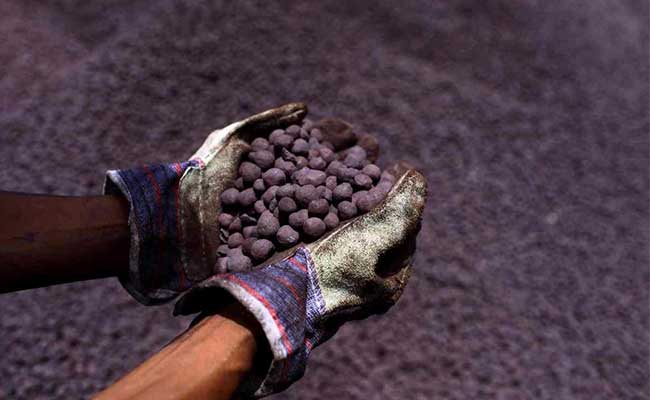
Rohina South Steel Complex – Steel is one of the most widely used metals in the world and plays a fundamental role in the economic and industrial development of countries. From the construction of buildings and bridges to the production of automobiles, household appliances, and industrial machinery, steel has a significant presence in our daily lives.
Given the high global consumption of steel and the considerable costs associated with extracting and producing raw materials such as iron ore, recycling and using steel scrap as a secondary source for steel production has become increasingly important.
Steel scrap not only helps conserve energy and raw materials but also plays an important role in protecting the environment and reducing greenhouse gas emissions.
What Is Steel Scrap?
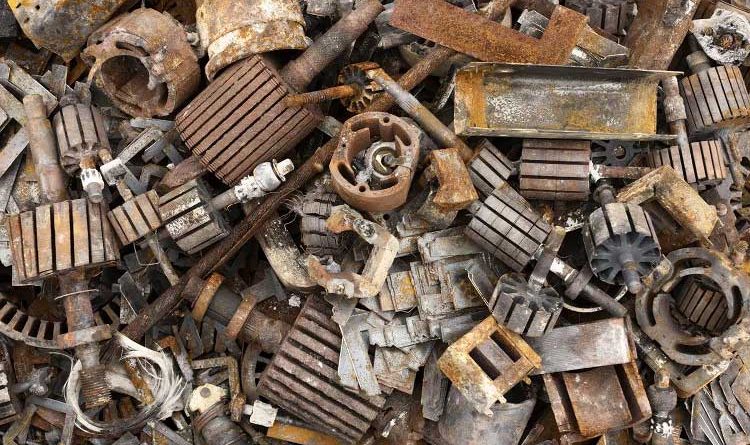
Steel scrap refers to steel components and materials that have reached the end of their useful life or have been discarded during manufacturing processes but can still be remelted and recycled.
Steel scrap can come from various sources, including industrial waste, end-of-life vehicles, demolished structures, obsolete machinery, and even household waste.
In general, steel scrap can be divided into three main categories:
- Home Scrap: Waste generated during steel production processes within a steel mill and directly returned to the production cycle.
- Prompt Scrap: Scrap generated by downstream industries, such as automobile parts and household appliance manufacturers.
- Obsolete Scrap: Steel recovered after products have reached the end of their useful life, such as steel beams from demolished buildings or scrap from end-of-life vehicles.
The Economic Importance of Steel Scrap
From an economic perspective, steel scrap is a valuable and recyclable resource that can replace part of the more expensive raw materials, such as iron ore and coal, used in steelmaking.
Using scrap can reduce production costs, decrease dependence on natural resources, and improve the competitiveness of the steel industry.
The global steel scrap trade also represents an important part of the international economy. Countries such as Turkey, India, and South Korea are among the major importers of steel scrap, while the United States, Japan, and European countries are major exporters.
In Iran, the development of the steel industry has increased attention toward the collection and processing of steel scrap. With population growth, increasing construction activity, and industrial development, the volume of steel scrap in the country continues to grow and can play an important role in supplying raw materials to steel producers.
Environmental Benefits of Using Steel Scrap
The use of steel scrap is one of the most effective ways to reduce environmental pollution. On average, producing steel from scrap requires approximately 70% less energy than producing steel from iron ore and can reduce greenhouse gas emissions such as carbon dioxide by up to 60%.
In addition, using scrap helps conserve water resources and reduces industrial waste.
Recycling steel also helps prevent excessive iron ore extraction and the destruction of ecosystems. This is particularly important in countries with limited natural resources.
In fact, steel scrap recycling is a clear example of the circular economy, in which materials are returned to the production cycle after use rather than being discarded.
Steel Scrap Recycling and Melting Process
After collection, sorting, and preparation, steel scrap enters the recycling process. The typical process includes the following stages:
- Collection and Sorting: Scrap is collected from various sources and categorized according to alloy type, size, and quality.
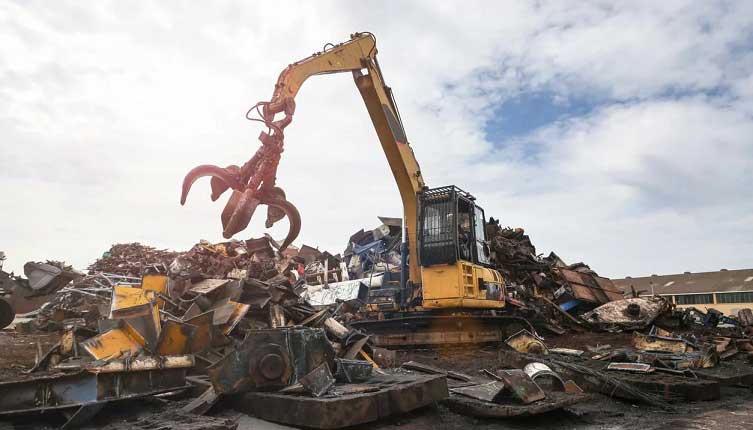
- Preparation and Shredding: To facilitate melting, scrap is shredded, compacted, or cut into appropriate sizes.
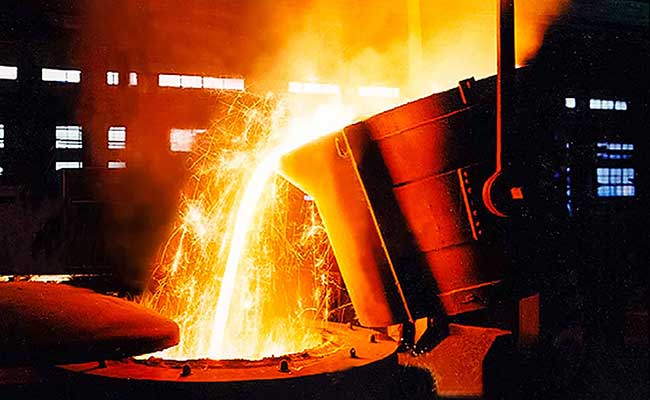
- Melting in a Furnace: Steel scrap is primarily melted in an Electric Arc Furnace (EAF) and, in some cases, in an induction furnace.
- Refining and Purification: At this stage, impurities such as sulfur, phosphorus, and unwanted elements are removed to produce steel with the required quality.
- Casting and Forming: After refining, molten steel is cast into billets, slabs, or rebar and prepared for various applications.
Challenges of Using Steel Scrap
Despite its many advantages, the use of steel scrap also presents several challenges.
One of the most important challenges is the presence of impurities in scrap. The presence of metals such as copper, tin, or chromium can negatively affect the quality of the final steel product.
In addition, inadequate collection and sorting infrastructure in many countries limits the efficient use of this valuable resource.
Fluctuations in global scrap prices and high transportation costs are other challenges facing the development of the steel scrap market.
New Technologies in Steel Scrap Recycling
Advances in automated identification and separation technologies, including spectral, laser, and magnetic sensors, have improved the quality and efficiency of scrap sorting.
At the same time, the development of energy-efficient Electric Arc Furnaces and digital control systems has increased efficiency and reduced energy consumption during the scrap melting process.
In recent years, the use of Artificial Intelligence (AI) and Machine Learning (ML) for managing scrap supply chains and optimizing recycling operations has also been expanding.
These technologies can help steelmakers improve scrap classification, optimize furnace charging, reduce energy consumption, and achieve more consistent steel quality.
The Status of Steel Scrap in Iran
In Iran, the growth of steel production in recent years has led to increasing demand for steel scrap.
A significant portion of the country’s steel is produced using Electric Arc Furnaces. Therefore, the collection and processing of domestic scrap can play an important role in reducing dependence on imported raw materials.
However, the lack of an integrated recycling system, inadequate separation of metal waste, and weaknesses in scrap market management remain among the main challenges in this field.
Developing advanced recycling centers, organizing the scrap market, and encouraging industries to return their production waste to the recycling cycle can be effective steps toward the sustainable development of Iran’s steel industry.
The Future of Steel Scrap in Sustainable Steelmaking
Steel scrap is far more than waste. It is a valuable resource for producing new steel while preserving natural resources.
Using scrap as a raw material in steelmaking can reduce energy consumption, lower pollutant emissions, and provide significant economic benefits.
By adopting modern technologies and developing appropriate infrastructure for the collection, sorting, and processing of steel scrap, the steel industry can take an important step toward sustainable industrial development and the realization of a circular economy.
The future of the steel industry will increasingly depend on the ability of countries and steelmakers to efficiently manage, recycle, and reintegrate steel scrap into the production cycle.