South Rouhina Steel Complex – Modern architecture is more closely connected than ever to technology, innovation, and the intelligent use of materials. Among these materials, steel, as one of the most important construction materials, plays a decisive role in shaping modern architectural spaces. Its high strength, flexibility, industrial manufacturability, and recyclability have given steel a unique position in architectural projects ranging from high-rise towers and bridges to public spaces, lightweight structures, and complex buildings.
This article provides a comprehensive overview of the role of steel in modern architecture, its technical characteristics and advantages, its major applications, and its impact on the future of architectural design and construction.
A Brief History of Steel in Architecture
The emergence of modern steel during the second half of the nineteenth century marked a major turning point in the history of architecture. Before that period, buildings were mainly constructed using stone, brick, and wood, which had significant limitations in terms of structural strength and the ability to create large spans.
With the development of steel and mass-production technologies, architects and engineers gained the ability to construct buildings with larger spans, greater heights, and more innovative forms. The first skyscrapers in Chicago and New York in the late nineteenth and early twentieth centuries were based on steel-frame structures and introduced a new concept of the vertical city.
Today, steel, together with concrete, glass, and composite materials, remains one of the fundamental materials of contemporary architecture. It is widely used in smart buildings, lightweight structures, space-frame systems, and major infrastructure projects.
Technical Characteristics and Advantages of Steel in Architecture
- High Strength and Structural Resistance: One of the most important advantages of steel is its high resistance to tensile and compressive forces. This characteristic allows architects and engineers to design load-bearing columns and beams with smaller cross-sections. As a result, modern architecture can create more open, flexible, and spacious interiors while maintaining structural safety and stability.
- Formability and Manufacturing Flexibility: The ability to shape steel is one of the main reasons for its widespread use in complex architectural forms. Through cutting, rolling, welding, and other fabrication techniques, steel can be transformed into a wide range of curved, complex, and even parametric shapes. This capability has played an important role in the development of digital and computational architecture, enabling designers to transform highly complex concepts into practical structures.
- Fast Construction: Steel buildings, particularly prefabricated steel structures, can be constructed relatively quickly. Components can be manufactured under controlled factory conditions and then transported to the construction site for assembly. This approach not only reduces construction time but can also improve quality through precise industrial manufacturing and quality control.
- Durability and Sustainability: Although steel can be vulnerable to corrosion, protective methods such as galvanization and specialized protective coatings can significantly increase its durability. Steel is also one of the most recyclable construction materials. It can be recovered and returned to the production cycle without losing its fundamental material properties. This makes steel particularly valuable in sustainable architecture and environmentally responsible construction.
- Earthquake Resistance: The ductility of steel enables steel structures to perform effectively under seismic loads. For this reason, steel framing systems are widely used in many earthquake-prone regions around the world. The ability of steel structures to deform and absorb energy before failure is an important advantage in seismic design.
Applications of Steel in Modern Architecture
- Towers and Skyscrapers: Vertical architecture would have been extremely difficult to develop without steel. Today, major structures such as the Burj Khalifa and One World Trade Center rely on steel framing or composite steel-and-concrete structural systems. The use of steel allows architects to design slender, tall, and structurally efficient buildings capable of resisting significant wind and other environmental loads.
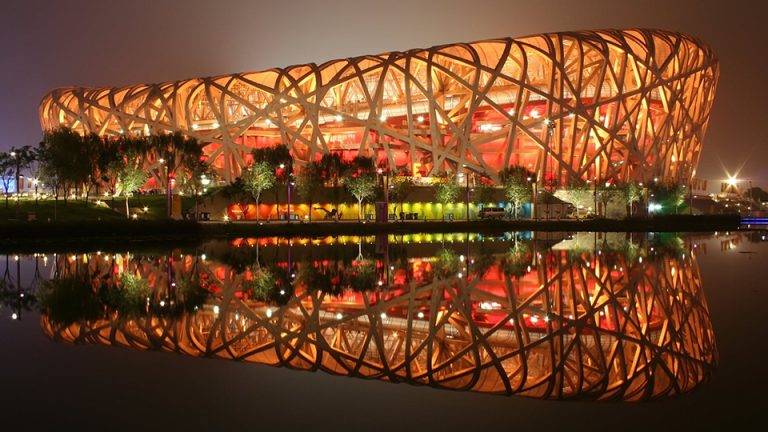
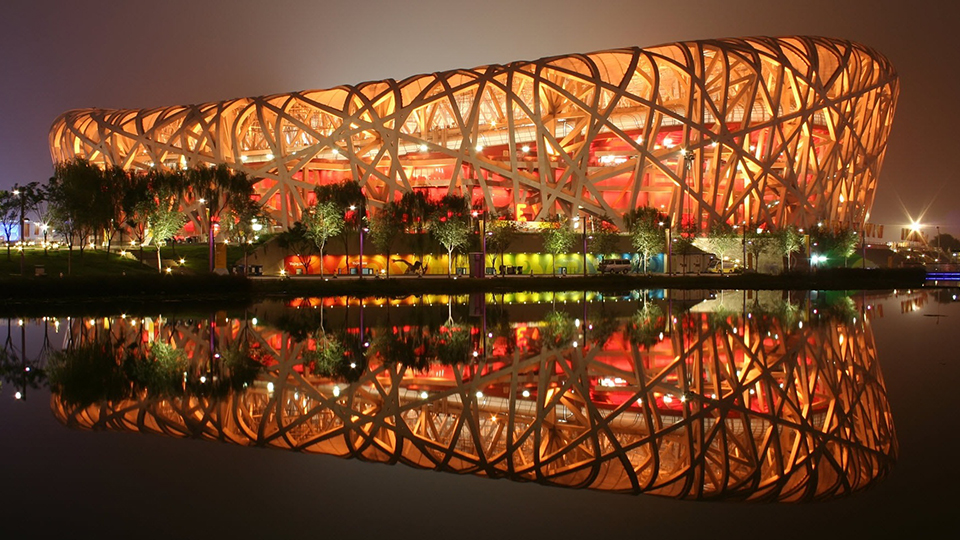
- Space Frames and Large-Span Roofs: Steel is one of the primary materials used in space-frame structures, heavy trusses, and large-span roofs for sports stadiums, airports, exhibition centers, and other large public buildings. These structures require materials with a high strength-to-weight ratio, making steel an effective choice for achieving large column-free spaces.
- Bridges, Transportation Structures, and Infrastructure: Modern suspension and cable-stayed bridges rely extensively on steel. The material’s relatively low weight, combined with its high tensile strength, has contributed to the construction of engineering landmarks such as the Golden Gate Bridge and the Millau Viaduct. Steel continues to play a central role in transportation infrastructure and large-scale civil engineering projects.
- Industrial Buildings and Multipurpose Spaces: Factories, warehouses, and production halls often use steel structures because they require wide, strong, and flexible spaces. Fast construction and the ability to expand or modify steel structures are additional reasons for their widespread use in industrial architecture.
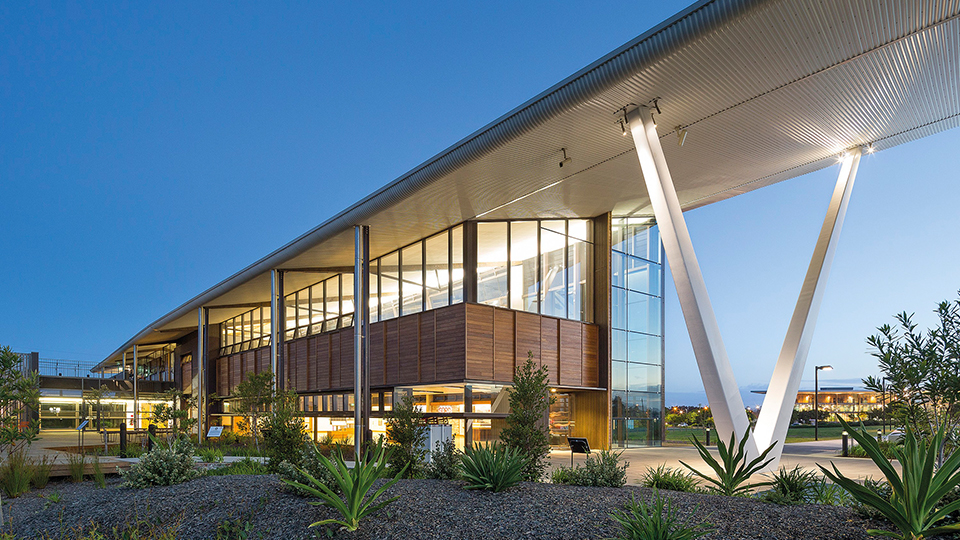
- Lightweight Architecture and LSF Structures: In recent years, Light Steel Framing (LSF) systems have become increasingly common in small- and medium-sized residential and commercial buildings. Low structural weight, seismic performance, construction speed, and efficient use of materials are among the main advantages of LSF systems.
The Impact of Steel on Modern Architectural Aesthetics
Contemporary architecture is not focused solely on the functional performance of buildings. Aesthetics and artistic expression also play an important role.
With its industrial appearance, smooth surfaces, and ability to combine effectively with materials such as glass, steel makes it possible to create modern and minimalist architectural spaces.
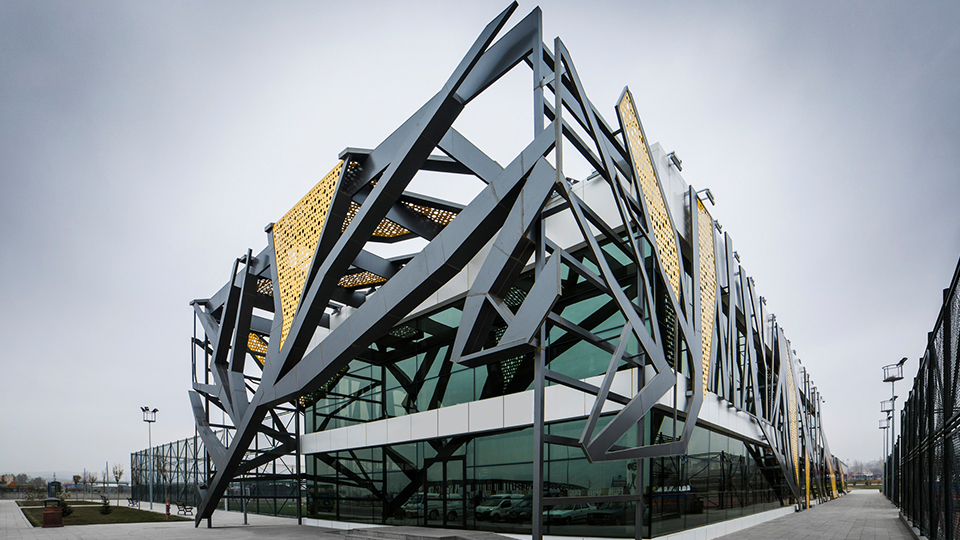
In some projects, steel structures are intentionally left exposed and become an architectural feature themselves. This approach is particularly common in museums, galleries, cultural centers, and contemporary public buildings.
Another example is Corten steel, which has gained popularity in recent years because of its distinctive appearance and controlled weathered surface. It is increasingly used in contemporary façades, urban furniture, landscaping elements, and artistic structures.
Challenges of Using Steel in Architecture
Despite its many advantages, steel also presents several challenges in architectural applications, including:
- Susceptibility to corrosion and the need for appropriate maintenance
- Higher costs than concrete in certain projects
- The need for skilled fabrication, installation, and welding
- Reduced fire resistance without specialized fire-protection systems
Nevertheless, advances in protective coatings, stainless steel production, and fire-resistant structural systems have significantly reduced many of these limitations.
Steel and Sustainable Architecture
Sustainable architecture has become one of the most important trends in twenty-first-century construction. Steel plays an important role in this approach because of several key characteristics:
- 100% recyclability
- Reduced consumption of virgin construction materials
- Long service life and the possibility of reusing structural components
- Industrial manufacturing with improved control over material waste and energy consumption
As green steel technologies continue to develop and carbon emissions from steel production are reduced, the role of steel in sustainable architectural projects is expected to become even more significant.
Steel and the Future of Architecture
The architecture of the future will increasingly depend on digital technologies, 3D printing, artificial intelligence, and smart materials. Steel is also evolving alongside these trends.
- 3D printing of steel components can enable the production of lightweight and highly complex forms.
- Smart steels with advanced capabilities for responding to temperature and loading conditions are under development.
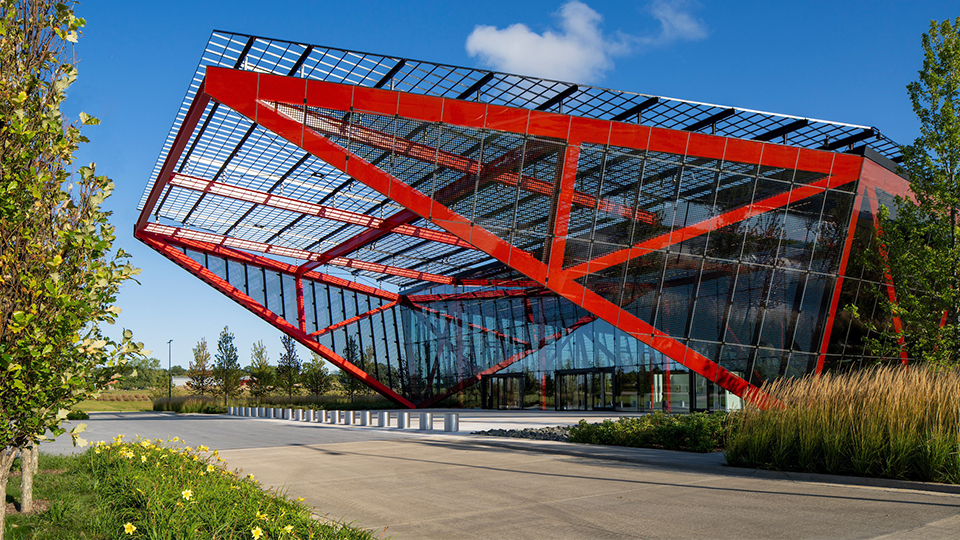
- Parametric design enables more precise and optimized use of steel in architectural structures.
- Modular steel structures can contribute to faster, safer, and more efficient construction.
These developments suggest that steel will continue to be one of the fundamental materials of twenty-first-century architecture.
Conclusion
Steel is not merely a construction material; it is a driving force behind the transformation of contemporary architecture. From skyscrapers and monumental bridges to lightweight structures and complex, futuristic forms, steel provides architects and engineers with the freedom to push the boundaries of creativity and structural design.
Its strength, flexibility, recyclability, durability, and compatibility with emerging technologies have made steel more important than ever in modern architecture. As technology continues to advance, steel is expected to play an increasingly prominent role in shaping sustainable, intelligent, and efficient architectural environments.