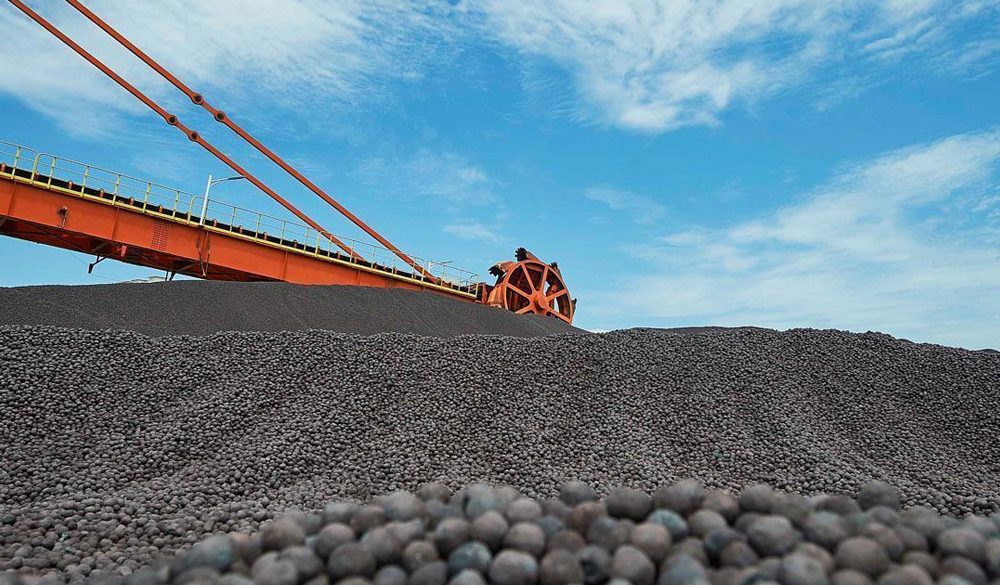
Rohina South Steel Complex – Sponge iron, also known as Direct Reduced Iron (DRI), is a highly versatile and essential material in the steel industry. It is characterized by its porous, sponge-like structure, which gives it its name. This overview examines the definition, applications, advantages, and production processes of sponge iron, highlighting its importance in the modern steel industry.
Definition of Sponge Iron
Sponge iron is a material produced through the direct reduction of iron ore without undergoing the melting process. In other words, sponge iron is produced by removing oxygen from iron ore (iron oxide) using reducing gases such as natural gas or coal. The direct reduction process removes oxygen from the iron ore, resulting in a product consisting primarily of metallic iron. Unlike pig iron, which is produced in blast furnaces, sponge iron is produced at relatively lower temperatures, typically between 800°C and 1,200°C.
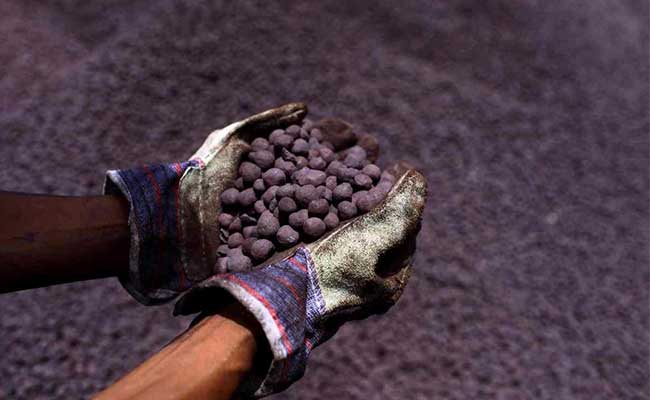
Sponge iron typically contains approximately 90–94% iron, while the remainder consists of impurities such as silica, carbon, sulfur, and phosphorus. Its porous structure provides a high specific surface area, making it an excellent raw material for steelmaking.
Applications of Sponge Iron
Sponge iron is primarily used as a raw material in steel production. Its applications are diverse and extend across several industries.
Steelmaking
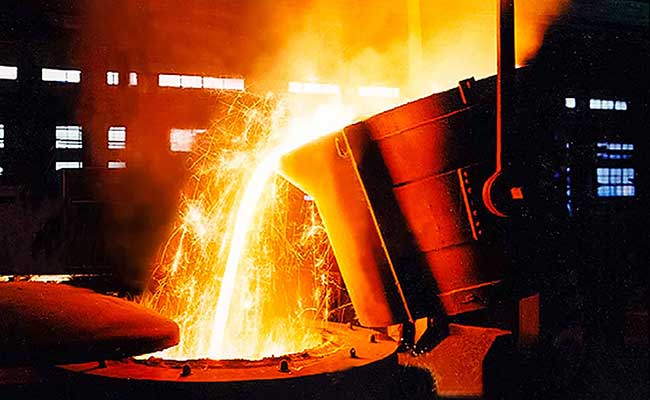
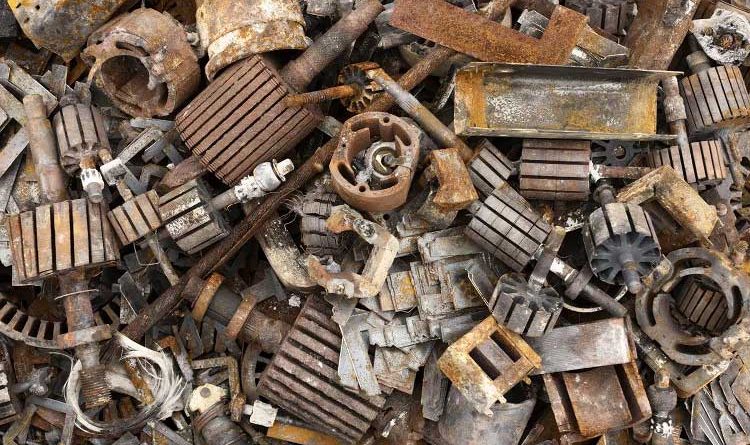
- Electric Arc Furnace (EAF): Sponge iron is commonly used in Electric Arc Furnaces (EAFs) as a substitute for steel scrap. Its consistent chemical composition and low level of impurities make it an ideal choice for producing high-quality steel.
- Induction Furnace Steelmaking: Sponge iron is also used in induction furnaces, where it is melted to produce steel with specific properties required for various industrial applications.
Iron Casting
Sponge iron is used in the production of cast iron components, where the iron is melted and poured into molds to produce parts with precise shapes and dimensions. These components are commonly used in the automotive, machinery, and construction industries.
Sintering
In sintering plants, sponge iron can be used as a raw material for producing sinter, which is subsequently used in blast furnaces to produce pig iron. The use of sponge iron in sintering can contribute to improving the efficiency and quality of the sintering process.
Production of Ferroalloys
Sponge iron can be used as a raw material in the production of various iron alloys, including ferroalloys such as ferromanganese and ferrochrome. These alloys are essential for producing specialty steels with specific properties.
Advantages of Sponge Iron
The use of sponge iron offers several advantages, particularly in steelmaking:
- Consistent Quality: Sponge iron has a relatively uniform chemical composition and low levels of impurities such as sulfur and phosphorus. This consistency is essential for producing high-quality steel.
- Energy Efficiency: The direct reduction process used to produce sponge iron can be more energy-efficient than conventional blast furnace-based ironmaking under suitable operating conditions. This efficiency can reduce overall energy consumption in steel production and contribute to cost savings.
- Reduced Carbon Footprint: Sponge iron production can result in lower carbon dioxide (CO₂) emissions compared with conventional ironmaking routes, particularly when lower-carbon reducing agents or hydrogen-based technologies are used. This advantage is especially important in the context of global efforts to reduce greenhouse gas emissions and combat climate change.
- Flexibility in Raw Materials: Sponge iron can be produced using different forms of iron ore feedstock, including iron ore fines, pellets, and lump ore, depending on the reduction technology employed. This flexibility allows steel producers to optimize their raw material mix based on availability and cost.
- Improved Steelmaking Efficiency: The use of sponge iron in Electric Arc Furnaces (EAFs) and induction furnaces can improve steelmaking efficiency. Its high iron content and relatively low levels of unwanted impurities can contribute to faster melting and more efficient slag management.
- Improved Steel Properties: Sponge iron can contribute to the production of steel with desirable mechanical properties, including high tensile strength, good ductility, and improved weldability, depending on the overall steelmaking process and final chemical composition. These properties are essential for producing steel products that meet the requirements of various industries.
Sponge Iron Production Processes
Sponge iron is produced through several methods. The most common include coal-based rotary kiln processes and gas-based direct reduction processes. Each method has its own advantages and is selected based on factors such as raw material availability, energy resources, production requirements, and environmental considerations.
Coal-Based Rotary Kiln Process
- In this process, iron ore, in the form of lump ore or pellets, is mixed with non-coking coal (thermal coal) and fed into a rotary kiln. The kiln is inclined and rotates slowly, allowing the iron ore to move gradually through the kiln while being heated to approximately 1,000–1,100°C.
- As the iron ore passes through the kiln, it undergoes chemical reactions with carbon and carbon monoxide generated from the coal, resulting in the reduction of iron oxides to metallic iron. The reduced iron, or sponge iron, is then discharged from the kiln and cooled.
- The coal-based rotary kiln process is widely used in countries with abundant coal resources because it provides a relatively cost-effective method for producing sponge iron.
Gas-Based Direct Reduction Process
- The gas-based direct reduction process uses natural gas as the reducing agent. Iron ore, typically in the form of pellets or lump ore, is fed into a shaft furnace, where it is heated to approximately 800–1,000°C.
- Natural gas is reformed to produce a reducing gas mixture containing hydrogen and carbon monoxide. This gas reacts with the iron ore to remove oxygen and produce sponge iron. The reduced iron is then discharged from the furnace and cooled.
- Gas-based direct reduction is known for its high efficiency and potentially lower environmental impact, as it can generate lower CO₂ emissions than coal-based reduction processes, particularly when combined with efficient process technologies and lower-carbon energy sources.
SL/RN Process
- The SL/RN process is a direct reduction technology that combines characteristics of coal-based reduction with controlled gas-phase reduction reactions. In this process, iron ore is mixed with coal and fed into a rotary kiln, where it is heated and reduced to produce sponge iron.
- The process can also involve the controlled use of gaseous fuels, depending on the process configuration, to improve reduction efficiency and optimize energy consumption. The SL/RN process can be considered in regions where suitable coal resources and other energy sources are available.
HYL Process
- The HYL process is a gas-based direct reduction technology developed in Mexico. It uses natural gas-derived reducing gases to reduce iron ore in a shaft furnace and can produce sponge iron with a high degree of metallization.
- The HYL process is recognized for its high efficiency and has been widely adopted in regions with access to natural gas and suitable iron ore feedstocks.
Conclusion
Sponge iron plays a vital role in the steel industry, providing a high-quality and versatile raw material for steel production. Its advantages, including energy efficiency, the potential for a lower carbon footprint, and its contribution to consistent steel quality, make it an attractive option for modern steelmaking.
Various production technologies, including coal-based rotary kilns, gas-based direct reduction, SL/RN, and HYL processes, provide flexibility in production based on available resources, technological requirements, and environmental considerations.
As global demand for high-quality and lower-carbon steel continues to grow, sponge iron will remain an important component of modern steelmaking. Its continued development and integration with advanced reduction and steelmaking technologies can contribute to the production of efficient, sustainable steel and support infrastructure and industrial projects around the world.