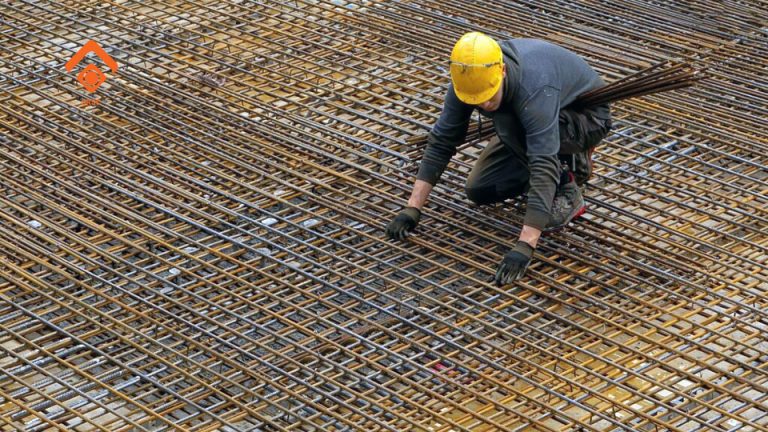
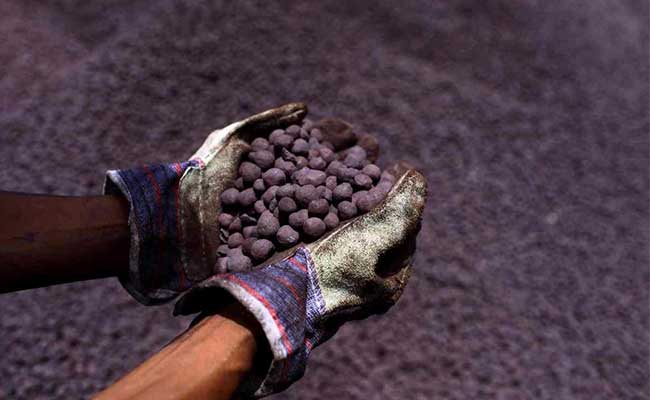
South Rouhina Steel Complex – In the construction industry, rebar is one of the fundamental elements used to reinforce structures. Without rebar, constructing safe and durable concrete structures would be extremely difficult. Although concrete, one of the most widely used construction materials, has very high compressive strength, it is relatively weak against tensile, bending, and shear forces. The combination of concrete and steel in the form of reinforced concrete is the solution engineers use to overcome this limitation and create safer, more durable structures.
In this article, we examine the key role of rebar in improving the strength, stability, and durability of buildings and concrete structures.
Increasing the Tensile Strength of Structures
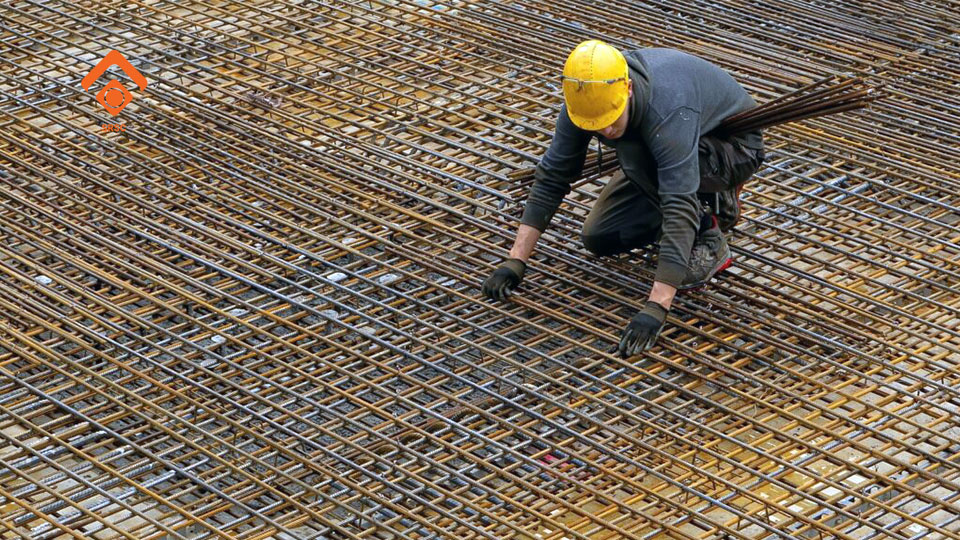
One of the primary functions of rebar is to resist tensile forces. In structural elements such as beams, columns, and slabs, applied loads create tensile stresses in certain parts of the member. Concrete alone cannot adequately withstand these stresses and may crack when exposed to tensile forces.
By placing rebar in the tension zones of structural members, tensile forces can be absorbed and distributed throughout the structural element. Rebar also helps control crack propagation and improves the overall stability of the structure under demanding loading conditions.
Improving Bending Resistance and Preventing Structural Failure
In beams and slabs, vertical loads create bending moments. Tensile reinforcement placed in the lower part of beams, along with upper reinforcement in certain sections, plays an important role in increasing the bending resistance of the structure.
This reinforcement increases the load-bearing capacity of structural members and enables them to perform more reliably under dynamic loads, including seismic forces. Proper reinforcement design can therefore significantly improve the structural response of buildings during earthquakes and other extreme loading conditions.
Increasing Shear Strength and Preventing Structural Failure
Transverse reinforcement, commonly known as stirrups, is one of the most important components for resisting shear forces.
Stirrups help prevent diagonal shear failure in beams, distribute shear forces more effectively, and reduce the risk of sudden structural failure. Properly designed transverse reinforcement is therefore essential for maintaining the stability and safety of reinforced concrete structures.
Improving Ductility and Structural Performance During Earthquakes
One of the most important requirements in construction, particularly in earthquake-prone regions such as Iran, is adequate seismic resistance.
Rebar contributes to the ductility of reinforced concrete structures, allowing structural members to undergo controlled deformation before failure. This ability to deform helps absorb and dissipate seismic energy and reduces the likelihood of brittle and sudden structural failure.
Therefore, the proper selection and placement of reinforcement are essential for improving the seismic performance and safety of buildings.
Controlling and Limiting Cracks
Cracking is an inherent phenomenon in concrete structures. Rebar helps control crack widths by providing internal continuity and improving the interaction between concrete and steel.
By limiting crack propagation, reinforcement can reduce the penetration of moisture and other harmful agents into the concrete. This contributes to improved structural durability, reduced risk of internal corrosion, and a longer service life for the building.
The Role of Rebar Quality in Structural Performance
For rebar to perform its structural functions effectively, the quality of the steel used is extremely important. High-quality and standardized rebar should have characteristics such as:
- Appropriate tensile and bending strength
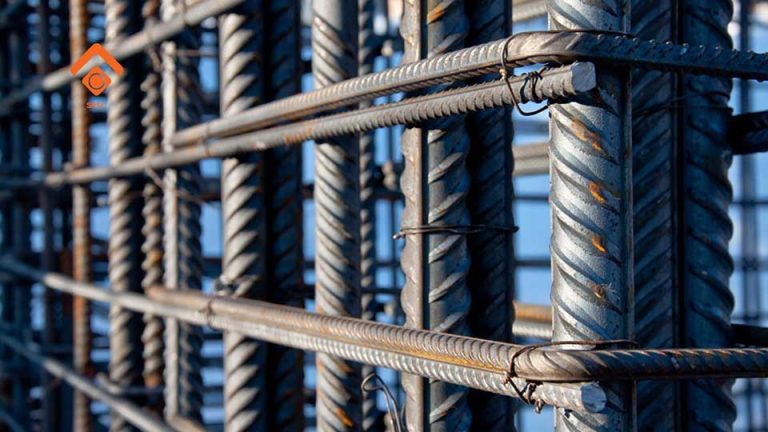
- Uniform ribs and excellent bond with concrete
- Adequate resistance to corrosion
- Compliance with national and international standards
The use of non-standard or counterfeit rebar can compromise structural safety and potentially put the lives of building occupants at risk. Therefore, selecting rebar from a reliable and reputable manufacturer is an essential part of any construction project.
The Role of South Rouhina Steel Complex
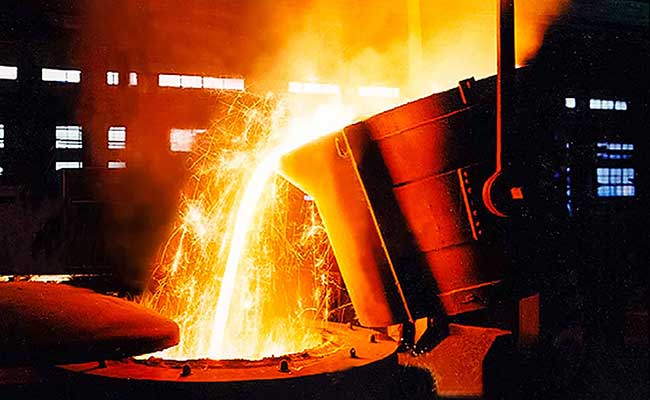
As one of Iran’s reputable rebar manufacturers, South Rouhina Steel Complex uses modern production technologies, continuous manufacturing processes, and strict quality control to supply products in accordance with national and international standards.
The rebar produced by South Rouhina Steel Complex offers high strength, suitable resistance to bending and tension, and a reliable bond with concrete. These products are suitable for a wide range of residential, infrastructure, and industrial construction projects.
These characteristics have made South Rouhina Steel Complex rebar a reliable choice for contractors, engineers, and builders involved in reinforced concrete and structural construction projects.
Rebar as a Key Element of Structural Safety
Rebar is a fundamental component of reinforced concrete structures. By improving tensile, bending, and shear resistance, controlling cracks, and increasing structural ductility, rebar plays a decisive role in the safety, stability, and long-term durability of buildings.
Using high-quality, standardized rebar is one of the most important steps toward constructing safe and durable structures. Through the production of high-quality rebar and the application of modern technologies and rigorous quality control, South Rouhina Steel Complex contributes to the development of reliable and durable construction projects.