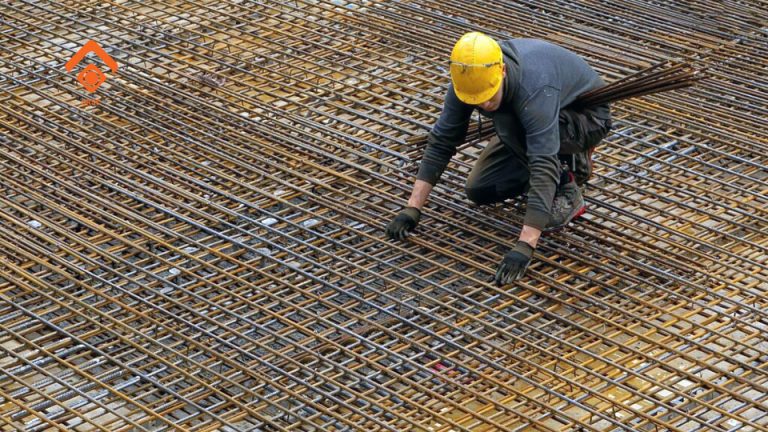
South Rouhina Steel Complex – Advanced metallurgical innovations are opening up new possibilities in structural engineering. Advanced steel alloys offer architects and engineers unprecedented flexibility in designing structures that are stronger, lighter, and more durable than ever before.
High-Strength Low-Alloy (HSLA) steels can indeed be described as a revolution in modern construction. These materials achieve superior properties through the precise and carefully controlled addition of elements such as titanium.
The results are remarkable. HSLA steels can achieve yield strengths exceeding 550 MPa while maintaining excellent weldability and formability. This allows manufacturers to use thinner sections without compromising structural integrity, reducing weight across construction projects. The benefits range from lighter foundations to lower transportation costs.
Corrosion-Resistant Coatings
The sophisticated chemistry of modern coating systems creates multilayer barriers that can extend the service life of steel structures by decades. These coatings are particularly valuable in challenging environments where moisture, salt, and industrial pollutants pose persistent threats.
Zinc-rich primers form the foundation of many high-performance coating systems. These formulations contain metallic zinc particles that provide cathodic protection. When combined with epoxy intermediate coats and polyurethane topcoats, they create durable protective layers capable of withstanding decades of exposure to atmospheric conditions in coastal and industrial environments.
Nanoceramic coatings represent the cutting edge of corrosion-protection technology. These advanced formulations incorporate nanoparticles that create exceptionally dense barriers at the molecular level. The result is a range of coatings that are thinner, more flexible, and more effective than traditional alternatives. They can also be more environmentally friendly, often reducing emissions of volatile organic compounds (VOCs).
Next-Generation Fire Protection Solutions
Fire protection has always been a critical aspect of steel construction because unprotected steel loses strength when exposed to fire. Intumescent coatings have significantly improved passive fire protection.
As temperatures rise, intumescent coatings expand and form an insulating layer that protects the underlying steel. This expansion is triggered by chemical reactions within the coating that release gases, causing the material to foam and provide essential thermal insulation during the early stages of a fire.
Innovations in Galvanizing
Galvanizing, the process of applying a zinc coating to steel, has protected structures for more than 150 years. The technology continues to evolve, and modern galvanizing techniques offer improved performance, greater versatility, and enhanced sustainability compared with traditional methods.
Hot-dip galvanizing remains the gold standard for many applications. In this process, steel components are immersed in molten zinc at approximately 450°C, producing metallic coatings typically ranging from 70 to 100 micrometers in thickness. The process creates a metallurgical bond between the zinc and the steel, providing exceptional durability.
Recent innovations in bath chemistry and temperature control have improved coating uniformity and reduced the formation of surface defects that previously caused difficulties in subsequent painting processes.
Lightweight, Cost-Effective, and Efficient Steel
Ultra-high-strength steel represents another major advancement in modern steel production. These advanced materials enable structures to achieve equivalent or superior load-bearing capacity using significantly less material. This development has far-reaching implications for construction economics, sustainability, and architectural design possibilities.
Advanced High-Strength Steels (AHSS) offer tensile strengths that would have seemed impossible just a few decades ago. Third-generation AHSS grades can exceed 1,500 MPa while retaining the formability required for manufacturing and structural performance. This combination allows designers to specify thinner sections, reducing the dead loads carried throughout structures.